Marathi cinema, often celebrated for its nuanced storytelling and profound cultural resonance, has consistently delivered powerful social dramas that transcend mere entertainment. These films serve as vital mirrors, reflecting societal complexities, challenging norms, and sparking crucial conversations. As a critic, I find the genre's strength lies in its ability to ground universal themes within a distinctly Maharashtrian ethos, offering perspectives that are both deeply local and universally relatable. This curated list highlights ten such masterpieces, films that have not only achieved critical acclaim but have also left an indelible mark on the collective consciousness, shaping our understanding of human nature and societal structures. They represent the pinnacle of Marathi filmmaking's commitment to meaningful narratives.
It's OK delves into the intricate dynamics of modern relationships, particularly the unspoken anxieties and emotional vulnerabilities that define contemporary urban life. The film masterfully navigates the complexities of communication and expectation within a partnership, offering a raw, introspective look at how individuals cope with personal struggles while trying to maintain connection. Its strength lies in its understated performances and a narrative that feels profoundly authentic, resonating with anyone who has grappled with the subtle shifts and challenges inherent in long-term commitment. A poignant exploration of emotional landscapes.
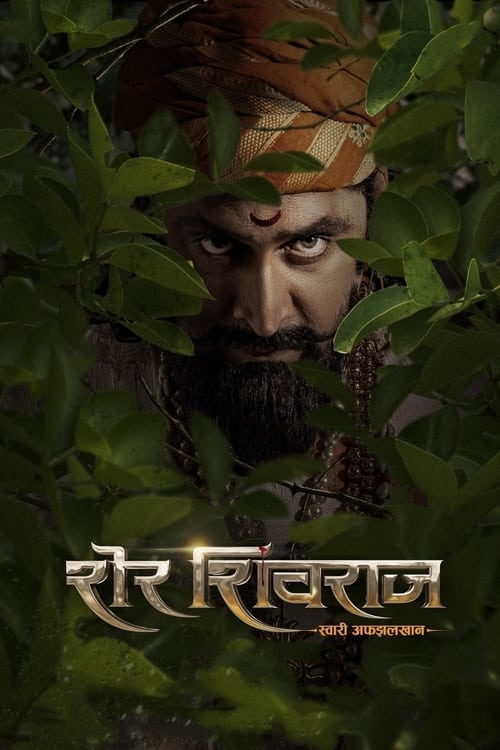
Sher Shivraj, while a historical epic, transcends its genre by deeply embedding itself in the social fabric and ethical dilemmas of its era. It meticulously portrays Chhatrapati Shivaji Maharaj not just as a warrior, but as a visionary leader grappling with the social justice and welfare of his people. The film highlights the strategic and moral choices that shaped a new societal order, emphasizing governance rooted in equity and protection for all. It's a powerful commentary on leadership's responsibility towards its populace, making it a compelling social drama disguised within historical grandeur.
De Dhakka is a heartwarming yet poignant tale of a rural family's aspirations clashing with urban realities. It brilliantly captures the generational divide and the struggle to preserve traditional values amidst the allure of modernity. The film's charm lies in its authentic portrayal of a family unit, their eccentricities, and their collective journey to overcome adversity. It's a powerful commentary on the pursuit of dreams, the importance of family bonds, and the often-humorous challenges faced when bridging the gap between two distinct worlds. A true crowd-pleaser with a deep social core.
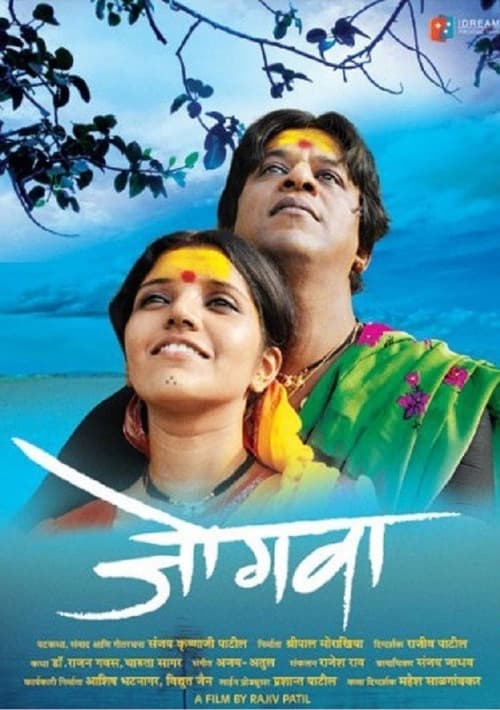
Jogwa - The Awakening is a searing indictment of archaic social practices and the human cost of blind faith. The film unflinchingly portrays the lives of individuals forced into ritualistic servitude, exploring themes of exploitation, resilience, and the yearning for dignity. Its narrative is a powerful journey of self-discovery and rebellion against oppressive traditions, driven by compelling performances that evoke profound empathy. This film is a courageous cinematic statement, shedding light on the dark corners of societal superstition and celebrating the indomitable spirit of those who dare to break free.
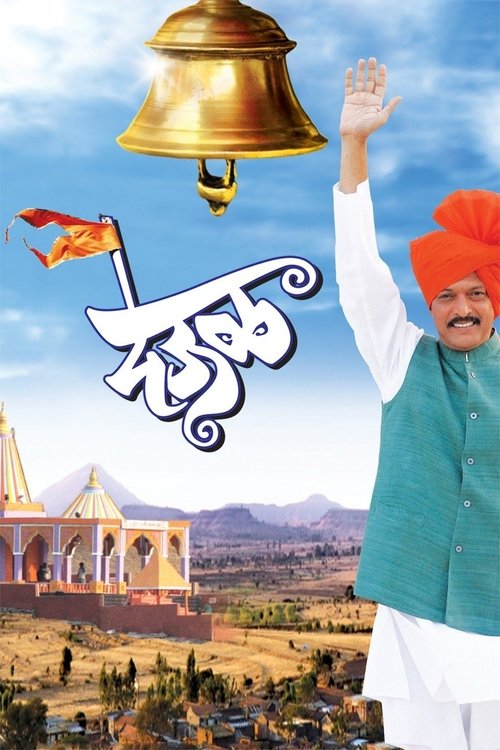
Deool offers a satirical yet deeply insightful look at the commercialization of faith and its impact on rural communities. The film cleverly uses the arrival of a deity's idol to expose the opportunistic tendencies and changing values within a village. It questions the true meaning of devotion when economic motives intertwine with spiritual beliefs, leading to both progress and moral compromise. The narrative is a brilliant social commentary, highlighting how external influences can reshape the very essence of community life and traditional practices, often with unexpected consequences.
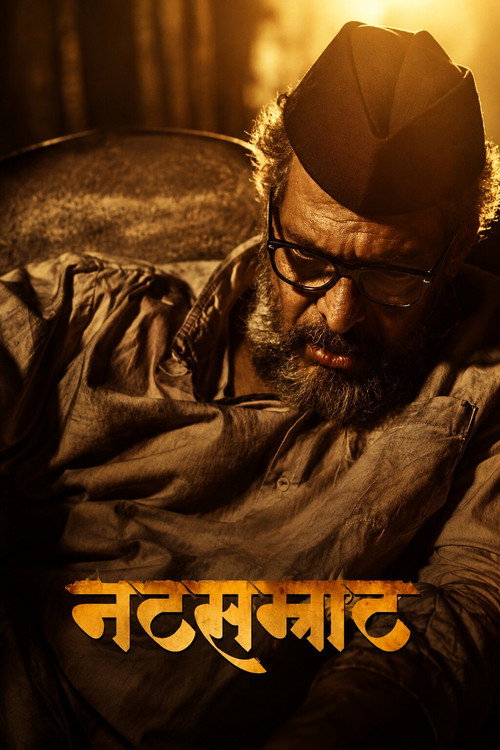
Natsamrat is a tour de force, a heart-wrenching portrayal of an aging stage actor's decline and the profound loneliness that accompanies it. The film delves deep into themes of artistic legacy, familial neglect, and the existential crisis faced when one's identity is stripped away. Nana Patekar's iconic performance anchors this powerful narrative, making the protagonist's struggles with gratitude, betrayal, and the fading glory of his past profoundly resonant. It's a timeless exploration of human vulnerability and the often-harsh realities of old age within a changing family structure.
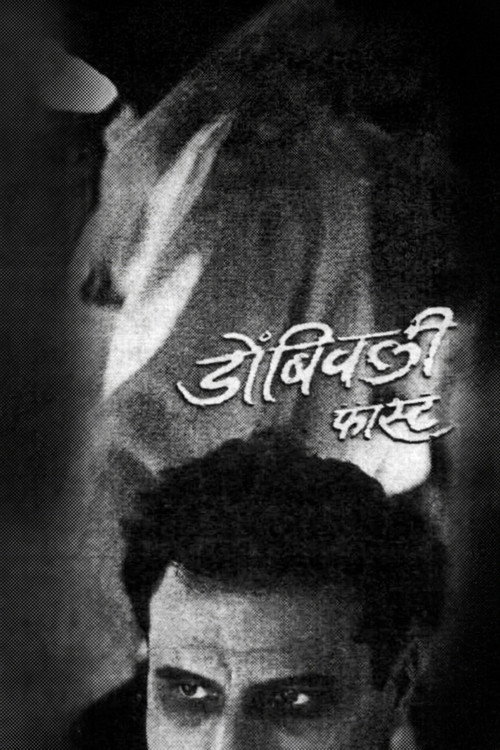
Dombivali Fast is a visceral exploration of the common man's breaking point under the relentless pressure of urban life and systemic corruption. The film brilliantly captures the frustration and moral decay that can fester when an individual feels powerless against an indifferent system. It's a raw, intense narrative that questions the boundaries of patience and the consequences of pushing an ordinary person too far. The protagonist's descent into vigilantism serves as a stark commentary on societal apathy and the desperate search for justice in a chaotic world.
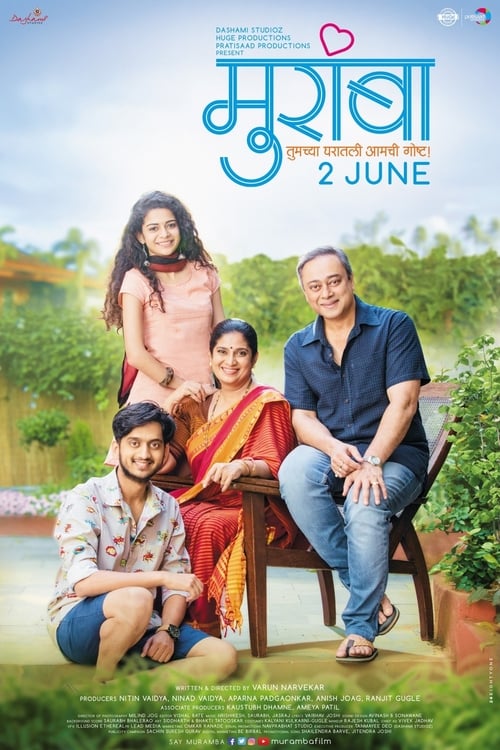
Muramba offers a refreshing and authentic take on modern relationships and the evolving dynamics between parents and their millennial children. The film sensitively portrays a young couple's breakup and the subsequent, often humorous, intervention of their parents. It's a nuanced exploration of communication gaps, differing perspectives on love, and the enduring wisdom that parental guidance can offer, even to independent adults. The narrative is relatable, charming, and provides a gentle yet insightful commentary on navigating emotional complexities in contemporary Indian society.
Me Shivajiraje Bhosale Boltoy is a powerful call to civic responsibility and regional pride, using the iconic figure of Chhatrapati Shivaji Maharaj as a moral compass. The film critiques the apathy and moral compromises of the common man, urging a return to principles of integrity and self-respect. It's a compelling social commentary on identity, cultural heritage, and the need for individual action to uplift society. The narrative effectively blends historical reverence with contemporary relevance, inspiring viewers to embody the values of their ancestors in modern life.
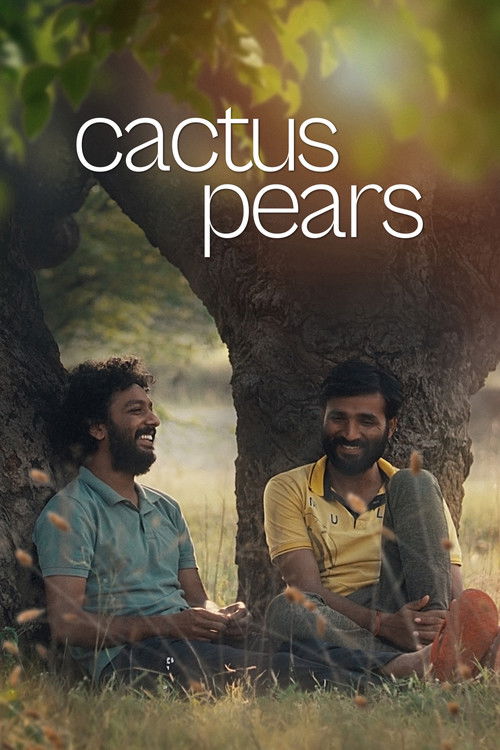
Cactus Pears, a forthcoming release, promises to be a poignant social drama exploring themes of environmental degradation and community resilience. Early indications suggest a narrative deeply rooted in the struggles of a rural populace confronting ecological challenges and the impact on their traditional way of life. The film is anticipated to highlight the delicate balance between human progress and nature's preservation, offering a critical look at sustainable living and the collective efforts required to safeguard our planet. It aims to be a timely and relevant commentary on our shared future.
The enduring power of these Marathi social dramas lies in their fearless exploration of human conditions and societal fault lines. They are not just films; they are cultural artifacts, each a testament to the genre's capacity for introspection and reform. From challenging ancient superstitions to dissecting modern urban anxieties, these narratives continue to resonate, proving that compelling storytelling rooted in social reality remains timeless. Their legacy is a vibrant tapestry of cinematic excellence, urging us to reflect, question, and ultimately, understand the intricate dance between individual lives and the larger societal fabric.
Frequently Asked Questions
Key answers for film lovers looking for titles like Top 10 Marathi Social Dramas of All Time.
A Marathi social drama typically focuses on contemporary or historical societal issues, exploring human relationships, cultural norms, and ethical dilemmas. These films often aim to provoke thought, highlight injustices, or comment on the evolving social landscape, frequently featuring strong character-driven narratives.
Explore Related Recommendations
Continue your cinematic journey with curated collections handpicked by our editorial team.