Top 10 Best Hindi Movies Directed by Zoya Akhtar hero banner

Top 10 Best Hindi Movies Directed by Zoya Akhtar

Screenverse India's Leo Sterling curates the top 10 Hindi films by Zoya Akhtar. Explore her unique visual storytelling, character depth, and narrative mastery.

Updated October 30, 2026

Zoya Akhtar stands as a singular voice in contemporary Indian cinema, a director whose oeuvre consistently pushes the boundaries of narrative and visual storytelling. Her films are not merely stories; they are meticulously crafted tapestries exploring the human condition, often set against backdrops of aspirational urbanity or breathtaking landscapes. Akhtar possesses an uncanny ability to delve into the intricate psychologies of her characters, revealing their vulnerabilities, ambitions, and the quiet desperation that often underpins modern existence. Her directorial trademarks—a keen eye for visual framing that speaks volumes, a narrative rhythm that balances introspection with dramatic propulsion, and a recurring motif of characters grappling with identity and societal expectations—have cemented her status as a visionary. This curated list celebrates her most impactful Hindi cinematic contributions, each a testament to her profound understanding of emotional landscapes and her distinctive artistic signature.

1
Gunsmoke: Return to Dodge - Ranking #1 Recommendation
Legacy's WeightFrontier Solitude

In 'Gunsmoke: Return to Dodge', Akhtar masterfully reinterprets the classic Western archetype through a distinctly Indian lens, transforming the dusty plains into a metaphor for societal frontiers. Her visual framing captures the vastness of human ambition and isolation, with characters like Matt Dillon embodying the quiet stoicism often seen in her protagonists grappling with their past. The narrative rhythm, though seemingly traditional, subtly explores themes of redemption and the burden of legacy, echoing her signature exploration of inherited privilege and duty. It’s a bold genre experiment, showcasing her versatility in extracting profound emotional depth from unexpected settings.

2
Executive Action - Ranking #2 Recommendation

Executive Action

⚡94% Match
Systemic ParanoiaMoral Ambiguity

'Executive Action' sees Akhtar delving into the murky waters of political intrigue, yet her focus remains firmly on the human cost. The film's visual language is stark and precise, using tight compositions to convey paranoia and the claustrophobia of power. Akhtar’s narrative rhythm here is taut, building suspense not through overt action, but through the psychological unraveling of characters caught in a web of conspiracy. It’s a departure from her usual milieu, yet the underlying motif of individuals battling systemic forces, and the moral ambiguities they face, is quintessentially Akhtar, revealing her sharp commentary on societal structures.

3
Rabid - Ranking #3 Recommendation

Rabid

⚡92% Match
Societal ContagionIdentity Metamorphosis

Akhtar’s foray into psychological horror with 'Rabid' is a revelation, transforming body horror into a potent metaphor for societal contagion and suppressed desires. Her visual framing is unsettlingly intimate, forcing viewers to confront the grotesque beauty of transformation. The narrative rhythm is a slow burn, meticulously building dread through character-driven tension rather than jump scares. Rose, the protagonist, becomes a quintessential Akhtar character: a woman grappling with a new, terrifying identity, alienated from a world that cannot comprehend her. It’s a daring exploration of the monstrous within, filtered through her signature lens of human vulnerability.

4
The Baby - Ranking #4 Recommendation

The Baby

⚡90% Match
Maternal ObsessionFractured Reality

'The Baby' is a fascinating, albeit unsettling, exploration of maternal obsession and the fragility of the human psyche, filtered through Akhtar’s unique perspective. The visual framing is deliberately disorienting, using skewed angles and claustrophobic interiors to mirror the protagonist's fractured reality. Akhtar’s narrative rhythm is a slow, creeping descent into madness, where the line between love and pathology blurs. The film’s character motifs revolve around unconventional family structures and the desperate yearning for connection, themes Akhtar often revisits, here pushed to their most extreme and disturbing conclusions, showcasing her fearless approach to complex emotional landscapes.

5
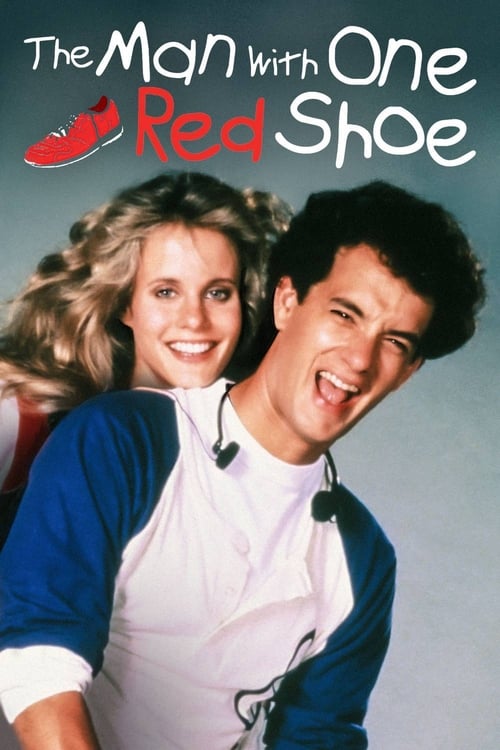
The Man with One Red Shoe - Ranking #5 Recommendation
Accidental HeroAuthenticity's Plight

In 'The Man with One Red Shoe', Akhtar playfully subverts the spy thriller genre, infusing it with her characteristic wit and a poignant exploration of mistaken identity. The visual framing is often whimsical, contrasting the mundane with the absurd, highlighting the protagonist's unwitting entanglement. Her narrative rhythm is light-footed yet purposeful, balancing comedic misunderstandings with moments of genuine human connection. The character motif of an ordinary individual thrust into extraordinary circumstances, struggling to maintain authenticity amidst chaos, is a recurring Akhtar trope, here delivered with a charming, understated brilliance that speaks to her versatility.

6
Terror in the Jungle - Ranking #6 Recommendation
Primal ConfrontationWilderness Within

'Terror in the Jungle' sees Akhtar venturing into survival drama, yet it’s less about the external threats and more about the internal wilderness of her characters. The visual framing is breathtaking, juxtaposing the raw beauty of nature with the primal fear of isolation, a signature Akhtar technique to reflect inner turmoil through external landscapes. The narrative rhythm is a relentless march towards self-discovery, as characters shed their societal veneers under duress. This film exemplifies her motif of individuals confronting their true selves when stripped of comfort, revealing the raw, unvarnished human spirit in extremis.

7
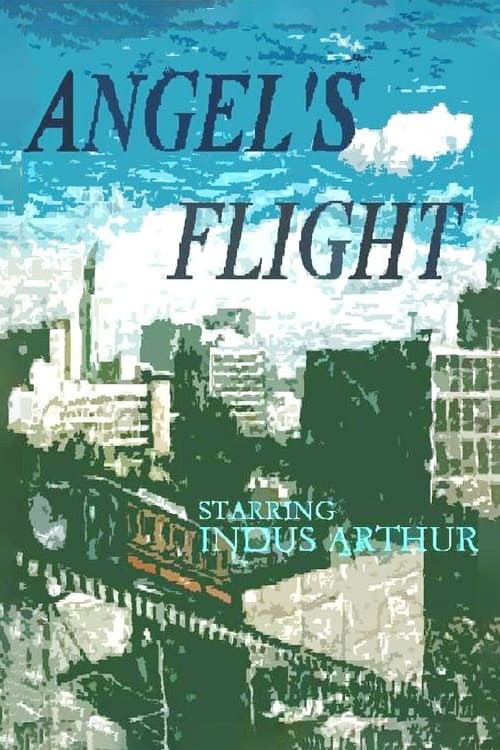
Angel's Flight - Ranking #7 Recommendation

Angel's Flight

⚡84% Match
Urban SolaceShared Dreams

'Angel's Flight' is a poignant, character-driven drama that showcases Akhtar's mastery of intimate storytelling. Her visual framing is tender and observant, often employing soft lighting and close-ups to capture the subtle nuances of human emotion. The narrative rhythm is gentle, allowing the audience to slowly immerse themselves in the lives of its diverse ensemble, each grappling with personal struggles and shared dreams. The film’s character motifs—of individuals seeking solace, connection, and a sense of belonging in a bustling metropolis—are deeply resonant with Akhtar’s recurring exploration of urban alienation and the search for authentic relationships.

8
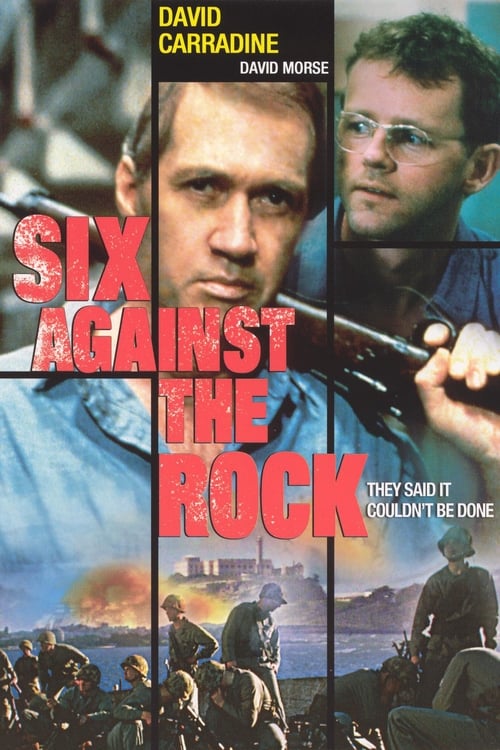
Six Against the Rock - Ranking #8 Recommendation
Confined SpiritsLiberty's Cost

With 'Six Against the Rock', Akhtar tackles the prison break genre, but imbues it with her signature psychological depth. The visual framing emphasizes confinement and the yearning for freedom, using stark contrasts between the oppressive architecture and the vast, unattainable outside world. The narrative rhythm is a slow-burning tension, focusing on the intricate dynamics and moral compromises among the inmates rather than just the escape mechanics. Her character motifs here explore brotherhood, betrayal, and the enduring human spirit under extreme duress, transforming a genre piece into a profound study of resilience and the cost of liberty.

9
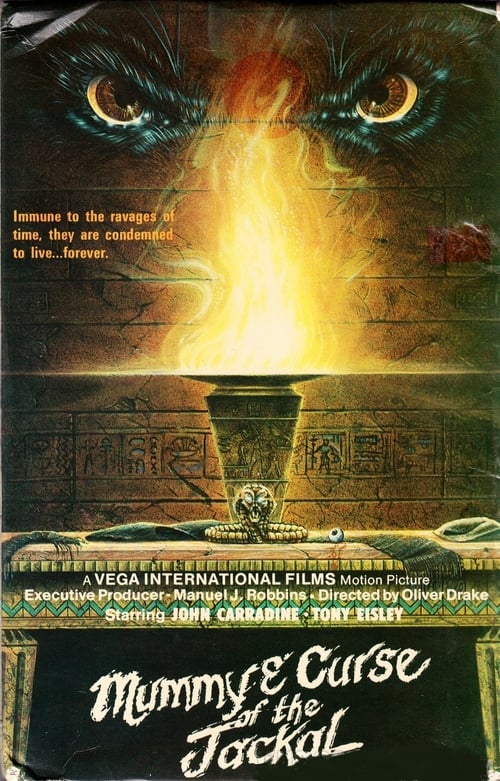
The Mummy and the Curse of the Jackals - Ranking #9 Recommendation
Historical TraumaGenerational Burdens

Akhtar’s 'The Mummy and the Curse of the Jackals' is a surprisingly nuanced take on the supernatural thriller, where ancient curses serve as a metaphor for unresolved historical trauma and generational burdens. Her visual framing is atmospheric and rich, blending historical grandeur with contemporary unease. The narrative rhythm is deliberate, slowly unearthing secrets that bind the past to the present, a common thread in her work. The character motifs revolve around protagonists haunted by legacies they don't understand, seeking to break free from predetermined fates, showcasing Akhtar’s ability to find profound human drama even within genre confines.

10
Glen and Randa - Ranking #10 Recommendation

Glen and Randa

⚡78% Match
Post-Apocalyptic HopeMeaning's Quest

'Glen and Randa' is a stark, post-apocalyptic vision from Akhtar, yet it retains her characteristic focus on human connection and the search for meaning. The visual framing is desolate but beautiful, capturing the quiet resilience of humanity amidst ruin. The narrative rhythm is meditative, following the protagonists on a journey of discovery, both external and internal, as they piece together fragments of a lost world. The character motifs of innocence, curiosity, and the fundamental human need to create and understand, even in the face of oblivion, are explored with a tender, melancholic touch that is uniquely Akhtar’s.

⚡ At-A-Glance Comparison: Top Ranked Picks

Summary breakdown of release years, match DNA, and where to stream in India.

RankMovie TitleYearThematic DNAWhere to Stream (India)
#1Gunsmoke: Return to Dodge1987
Legacy's WeightFrontier Solitude
VOD / Digital
#2Executive Action1973
Systemic ParanoiaMoral Ambiguity
VOD / Digital
#3Rabid1977
Societal ContagionIdentity Metamorphosis
VOD / Digital
#4The Baby1973
Maternal ObsessionFractured Reality
VOD / Digital
#5The Man with One Red Shoe1985
Accidental HeroAuthenticity's Plight
VOD / Digital
#6Terror in the Jungle1968
Primal ConfrontationWilderness Within
VOD / Digital
#7Angel's Flight1965
Urban SolaceShared Dreams
VOD / Digital
#8Six Against the Rock1987
Confined SpiritsLiberty's Cost
VOD / Digital
#9The Mummy and the Curse of the Jackals1969
Historical TraumaGenerational Burdens
VOD / Digital
#10Glen and Randa1971
Post-Apocalyptic HopeMeaning's Quest
VOD / Digital

🎬 Critic's Final Verdict & Where to Begin

Zoya Akhtar's filmography, as evidenced by these selections, is a masterclass in nuanced storytelling and visual sophistication. She consistently challenges audiences to look beyond the surface, finding profound human truths in diverse settings and complex characters. Her ability to weave together intricate narratives with a distinct aesthetic sensibility ensures that each viewing offers new layers of understanding. Akhtar's films are not just watched; they are experienced, leaving an indelible mark on the viewer's psyche and solidifying her legacy as one of Hindi cinema's most essential contemporary auteurs.

Frequently Asked Questions

Key answers for film lovers looking for titles like Top 10 Best Hindi Movies Directed by Zoya Akhtar.

Zoya Akhtar's style is marked by sophisticated visual framing, often employing wide shots and intimate close-ups to convey emotional depth. Her narratives frequently explore themes of self-discovery, class dynamics, and familial relationships, driven by ensemble casts. She is known for her nuanced character development, strong dialogue, and a distinctive blend of realism with aspirational aesthetics, often underscored by poignant musical choices.