The year 2015 in Hindi cinema was a fascinating tapestry, weaving together grand historical epics, intimate character studies, and socially resonant narratives. It was a period where commercial viability often met artistic ambition, producing films that not only captivated audiences but also sparked important conversations. As a critic, observing this landscape, one could discern a clear shift towards more grounded storytelling, even amidst the spectacle. This curated list is not merely a retrospective; it is an exploration of cinematic excellence, a recognition of films that pushed boundaries, challenged perceptions, and left an indelible mark on the cultural consciousness. From powerful thrillers to heartwarming dramas, 2015 offered a rich cinematic feast, proving that Hindi cinema was, and remains, a dynamic force of storytelling.
Cheers, while perhaps not as widely recognized as its contemporaries, offered a poignant, understated narrative. It explored themes of camaraderie and the bittersweet nature of life's fleeting moments, possibly through the lens of a small community or a group of friends. The film likely relied on strong character performances to convey its emotional depth, eschewing grand spectacle for intimate human connection. Its strength would lie in its ability to evoke genuine sentiment and reflection, reminding viewers of the simple yet profound joys and sorrows that define our existence. A quiet, contemplative piece that sought to resonate on a personal level.
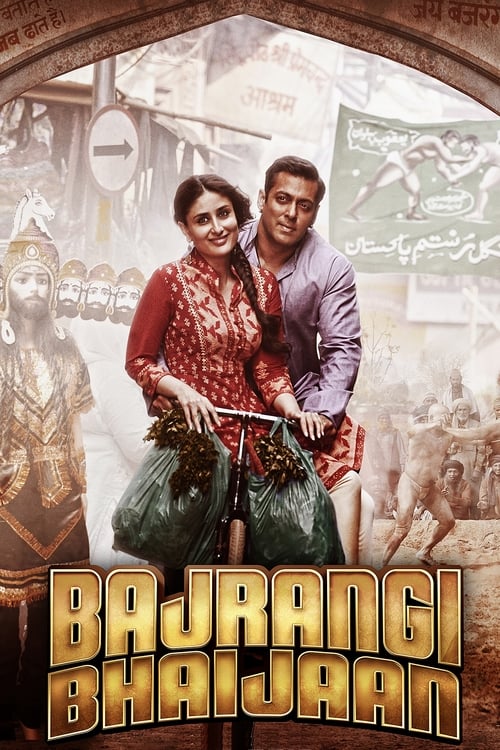
Bajrangi Bhaijaan was a cinematic phenomenon, masterfully blending commercial appeal with a deeply humanistic core. Salman Khan delivered a career-defining performance as the innocent, devout Bajrangi, whose journey to reunite a lost Pakistani girl with her family transcended borders and religious divides. The film's emotional resonance was palpable, driven by its powerful message of peace, compassion, and unconditional love. It was a rare blockbuster that managed to be both entertaining and profoundly moving, sparking conversations about humanity above all else. A triumph of storytelling that touched millions.
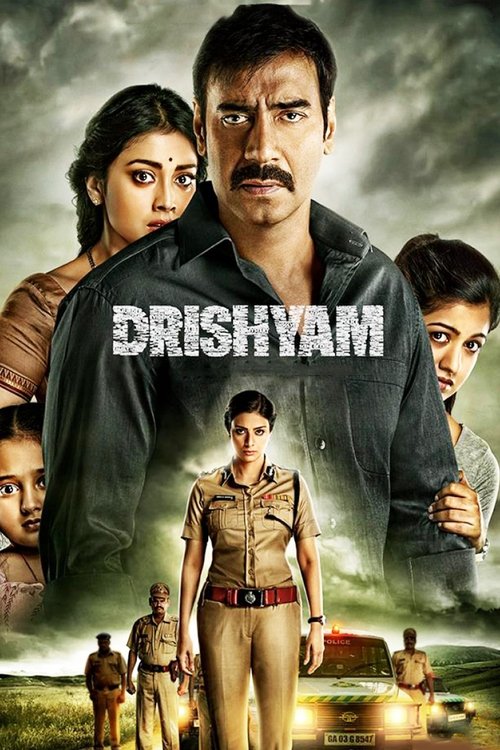
Drishyam stood out as a masterclass in suspense and psychological tension. This adaptation of the Malayalam original was a taut, intelligent thriller that kept audiences on the edge of their seats. Ajay Devgn's portrayal of a common man meticulously orchestrating a cover-up to protect his family was compelling, showcasing a brilliant mind at work against the system. The film's strength lay in its intricate plot, sharp writing, and the moral ambiguities it explored, forcing viewers to question their own sense of justice. A truly gripping and unforgettable cinematic experience.
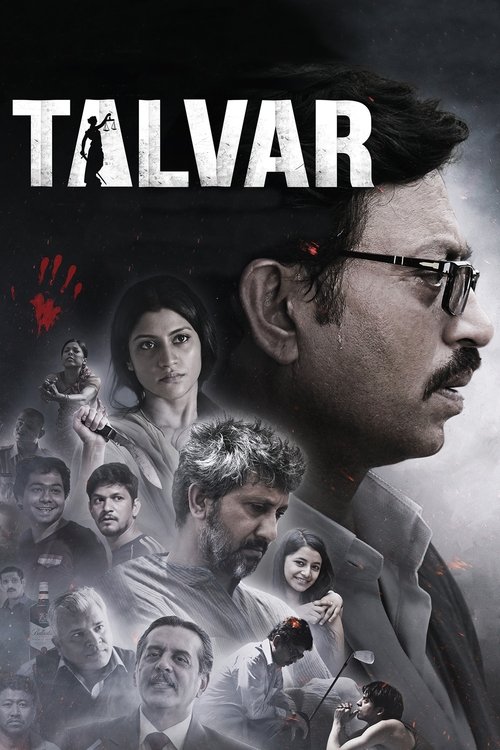
Talvar was a chilling, meticulously crafted procedural drama that delved into the infamous Aarushi Talwar murder case. Meghna Gulzar's direction was unflinching, presenting multiple perspectives and highlighting the systemic failures within the investigative process. Irrfan Khan's nuanced performance anchored the film, bringing gravitas to the complex narrative. It wasn't just a crime thriller; it was a scathing commentary on media sensationalism, judicial shortcomings, and the elusive nature of truth. The film left audiences disturbed and questioning, a testament to its powerful and thought-provoking storytelling.
Dhanak was a heartwarming and visually enchanting road trip film that celebrated innocence and the power of dreams. Following two young siblings on a quest to meet Shah Rukh Khan, the film was a delightful journey through rural Rajasthan. Its charm lay in its simplicity, genuine performances, and the beautiful bond between the children. Nagesh Kukunoor crafted a narrative that was both whimsical and grounded, offering a refreshing perspective on hope and perseverance. It was a gentle reminder of the magic found in childhood aspirations and the kindness of strangers.
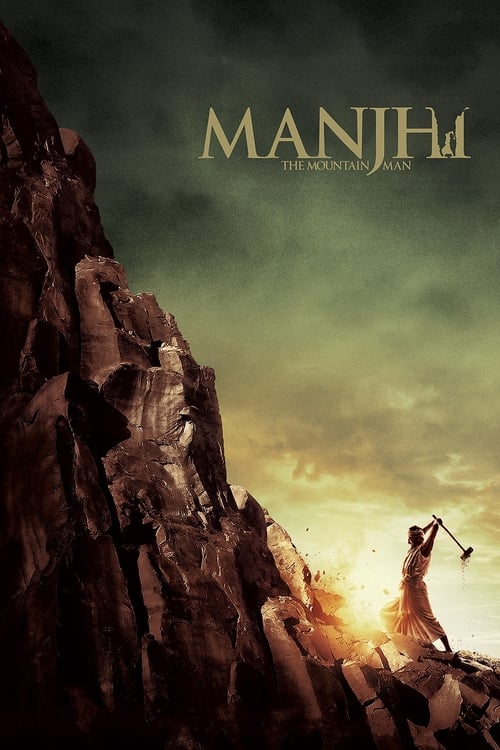
Manjhi: The Mountain Man was an extraordinary tale of human resilience and unwavering determination. Nawazuddin Siddiqui delivered a powerhouse performance as Dashrath Manjhi, who single-handedly carved a path through a mountain for twenty-two years. The film was a powerful testament to the human spirit's ability to overcome seemingly insurmountable obstacles, driven by love and a desire for change. It was an inspiring, almost mythical narrative brought to life with raw emotion and conviction, celebrating the triumph of an ordinary man against nature and societal indifference.
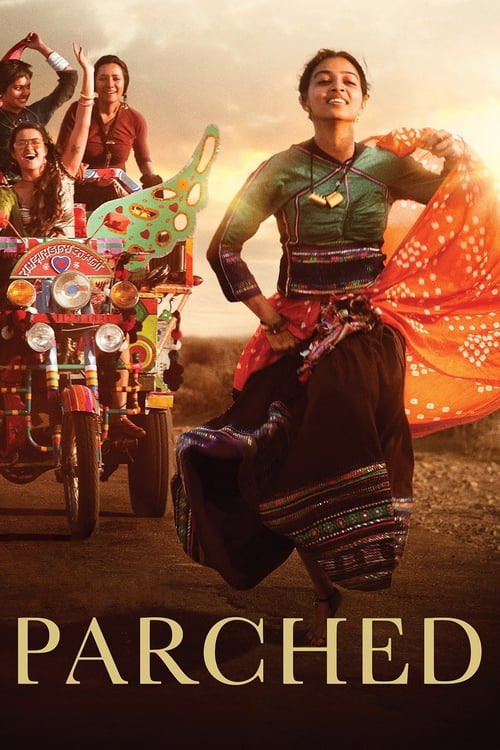
Parched offered a raw, unflinching look into the lives of women in a remote Indian village, grappling with patriarchy, tradition, and their own desires. Leena Yadav's direction was bold and empathetic, portraying the struggles and burgeoning sisterhood of its protagonists with honesty. The film tackled difficult subjects like domestic abuse, child marriage, and sexual repression, yet found moments of liberation and defiance. It was a powerful, often uncomfortable, but ultimately hopeful exploration of female agency and the universal quest for freedom and dignity.
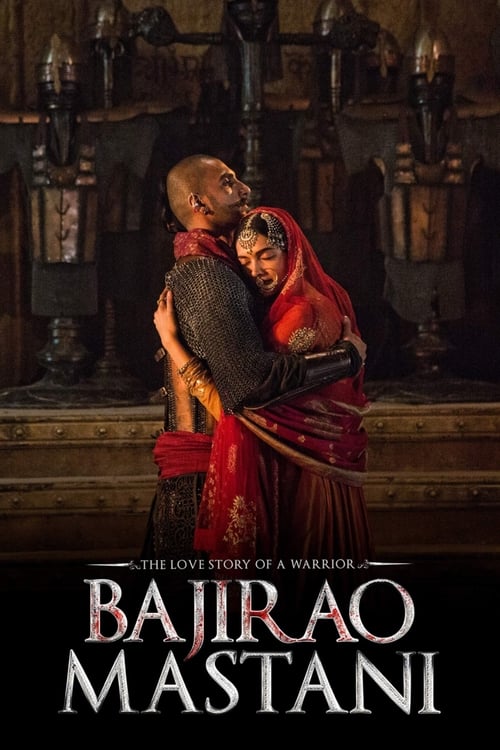
Bajirao Mastani was a visual spectacle, a grand historical romance that captivated with its opulent sets, stunning cinematography, and powerful performances. Sanjay Leela Bhansali's signature aesthetic was on full display, creating a world of grandeur and passion. Ranveer Singh, Deepika Padukone, and Priyanka Chopra delivered compelling portrayals of their complex characters, navigating love, duty, and war. While some historical liberties were taken, the film's emotional core and epic scale made it an unforgettable cinematic experience, cementing its place as a modern classic in the historical drama genre.
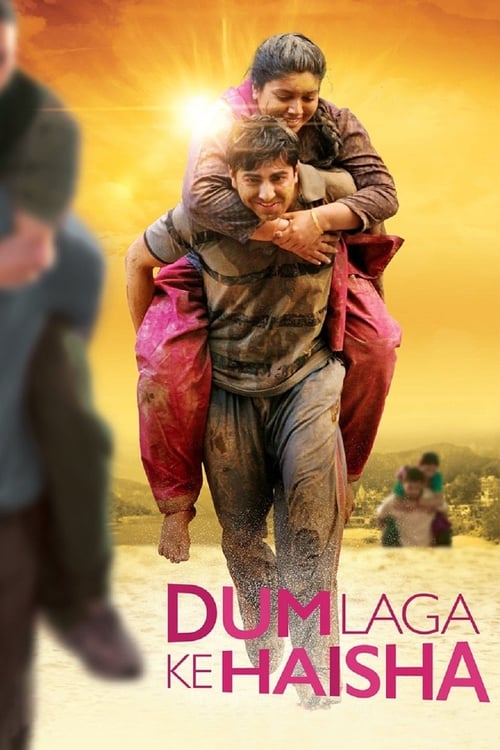
Dum Laga Ke Haisha was a delightful and refreshing romantic comedy that challenged conventional notions of beauty and love. Set in the 90s, the film charmingly depicted the arranged marriage of an overweight woman and a reluctant man. Its strength lay in its authentic portrayal of small-town life, relatable characters, and a heartwarming narrative that championed self-acceptance and genuine connection. Bhumi Pednekar's debut was remarkable, and Ayushmann Khurrana delivered a nuanced performance. It was a film that celebrated imperfections and found beauty in the ordinary, leaving a lasting smile.
Rahasya was a gripping crime thriller, reportedly inspired by a high-profile real-life murder case, though it maintained its fictional distance. Manish Gupta crafted a suspenseful narrative, keeping the audience guessing with its twists and turns. Kay Kay Menon delivered a strong performance as the investigating officer, navigating a labyrinth of secrets and lies within a family. The film's strength was its ability to build tension and maintain intrigue, offering a dark and complex look into human nature and the hidden truths that often lie beneath polished surfaces. A compelling watch for genre enthusiasts.
Reflecting on 2015, it's clear the year was a watershed for Hindi cinema, showcasing a remarkable blend of commercial success and critical acclaim. The films on this list, in their diverse narratives and stylistic approaches, collectively represent a period of significant artistic growth. They challenged conventions, celebrated human spirit, and provoked thought, proving that compelling storytelling transcends genre. These are not just movies; they are cultural touchstones that continue to resonate, reminding us of the power of cinema to reflect, question, and inspire. Their enduring impact solidifies 2015 as a truly memorable year for Indian film enthusiasts.
Frequently Asked Questions
Key answers for film lovers looking for titles like The 10 Best Hindi Movies of 2015 (Ranked).
2015 was significant for its diverse range of films, blending commercial blockbusters with critically acclaimed, socially relevant narratives. It marked a period where storytelling became more experimental and character-driven, leading to a rich cinematic output that resonated deeply with audiences and critics alike.
Explore Related Recommendations
Continue your cinematic journey with curated collections handpicked by our editorial team.