Indian Campus Youth and Engineering College Movies
Explore Indian cinema's portrayal of campus life, from academic pressures to lasting friendships. A critic's take on hostel humor and youth narratives.
The Indian campus, particularly the engineering college, stands as a vibrant crucible of transformation, a unique microcosm where futures are forged and indelible memories etched into the very fabric of youth. It is a space defined by intense academic rigor, often dramatically punctuated by the liberating chaos of hostel life, the ingenious mischief of backbenchers, and the profound bonds of friendship that, once formed, often withstand the test of time. Our cinema has long recognized this fertile ground for storytelling, capturing the unique blend of aspiration and anxiety that defines young adulthood within these institutions. From the relentless pursuit of grades and the looming specter of examinations to the exhilarating freedom of newfound independence and the discovery of self, these narratives resonate deeply across generations, reflecting a collective experience shared by millions. The cultural impact of these campus tales extends beyond mere entertainment, offering a mirror to societal expectations, parental pressures, and the evolving dreams of young India. This curated collection delves into films that attempt to encapsulate this dynamic period, exploring the pressures, the camaraderie, the often-hilarious escapades, and the quiet moments of introspection that collectively shape a generation's journey through higher education, offering a panoramic view of student life's triumphs and tribulations, and the enduring spirit of youth.
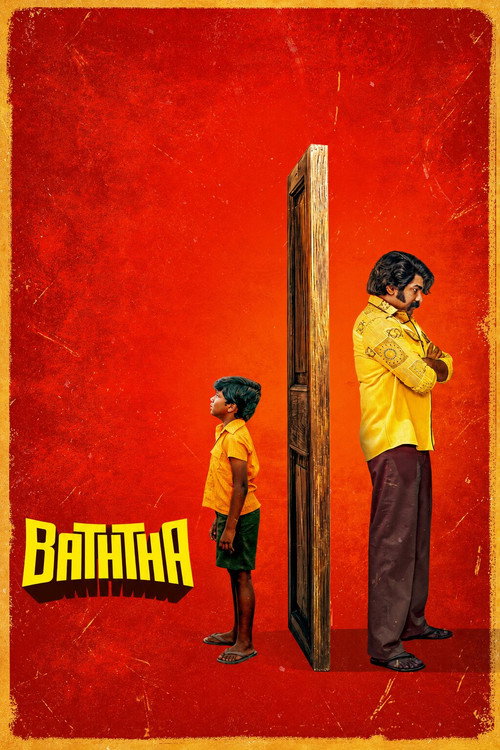
As a forthcoming release, Baththa enters the cinematic conversation with the potential to redefine contemporary campus narratives. Anticipation surrounds its exploration of modern engineering college dynamics, likely delving into the digital age's impact on student life, academic pressures, and evolving social structures. One expects a fresh perspective on hostel camaraderie, perhaps with a sharper edge reflecting current youth anxieties and aspirations. The film could offer a poignant commentary on the balance between innovation and tradition within educational institutions, aiming to capture the zeitgeist of a new generation navigating complex academic and personal landscapes. Its success will hinge on its ability to craft relatable characters and compelling conflicts.
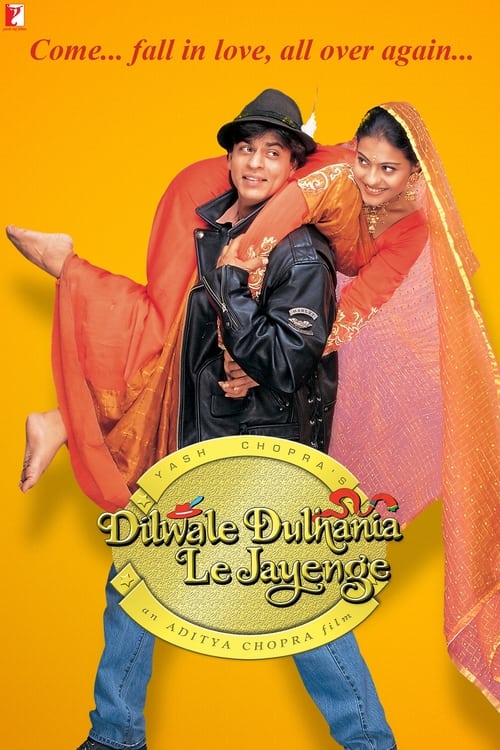
While not a campus film in the traditional sense, Dilwale Dulhania Le Jayenge remains an indelible cultural touchstone, its narrative of love, family, and tradition resonating across generations. The film's initial European journey, though not a campus setting, embodies a youthful spirit of adventure and burgeoning romance. It captures the essence of young hearts navigating cultural expectations and personal desires, a theme that, in a broader sense, echoes the journey of self-discovery often experienced during college years. Its enduring charm lies in its aspirational romance and the celebration of Indian values, making it a timeless classic that speaks to the universal quest for love and belonging.
Panchavadi Palam, a biting Malayalam political satire, stands far removed from the typical campus narrative. Directed by K.G. George, it masterfully dissects the corruption and absurdities within local governance through the metaphor of a collapsing bridge. Its sharp wit and allegorical storytelling offer a cynical yet insightful commentary on human nature and power dynamics. While devoid of hostel shenanigans or academic stress, the film's examination of societal flaws and the disillusionment with authority figures can, in an abstract way, mirror the critical awakening many students experience during their formative years. It is a powerful, thought-provoking piece, albeit one outside the collegiate genre.
Bethlehem Kudumba Unit, another upcoming release, carries the promise of exploring familial and community bonds, potentially within a contemporary setting that might intersect with youth experiences. If it touches upon the lives of young adults, it could offer a nuanced perspective on how family expectations and personal ambitions converge or clash during the crucial college years. The title suggests a focus on the family unit, which could provide a fresh angle on the pressures faced by students, perhaps contrasting the sheltered home environment with the independent world of higher education. Its success will depend on its ability to weave compelling personal stories with broader societal themes.
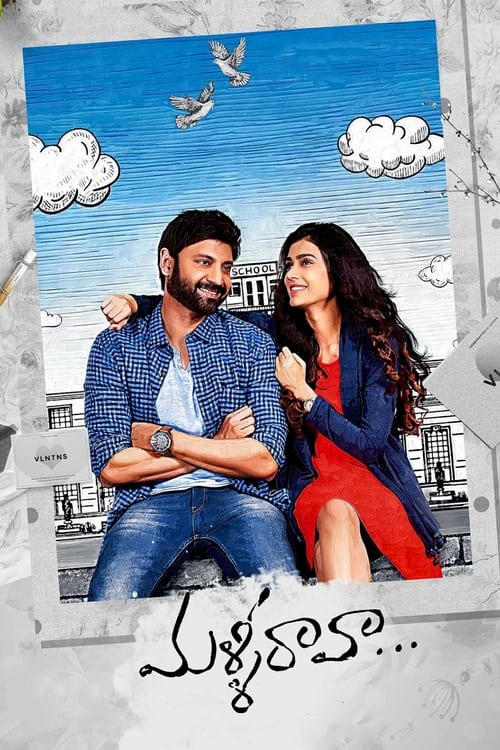
Malli Raava is a poignant Telugu romantic drama that traces the on-again, off-again relationship of its protagonists across different phases of their lives. While not strictly a campus film, it features significant flashback sequences to their school and early college days, capturing the innocence and complexities of first love. The film beautifully portrays the awkwardness, the unspoken feelings, and the enduring connection that often begins in formative educational environments. It delves into the emotional landscape of young adults navigating relationships and career choices, offering a mature and realistic take on love's journey, making it a relatable watch for anyone who has experienced the pangs of youthful romance.
The classic Telugu comedy-drama Missamma is a delightful exploration of mistaken identities and societal expectations, far removed from the engineering college milieu. Its narrative revolves around two unemployed graduates posing as a married couple to secure jobs, leading to a series of hilarious misunderstandings and eventual romance. While it doesn't depict campus life, it subtly touches upon the anxieties of post-graduation unemployment and the lengths to which young individuals might go for a livelihood. Its charm lies in its witty screenplay, memorable performances, and a timeless comedic premise that continues to entertain, showcasing the ingenuity and resilience of youth in a different era.
Mayabazar, a mythological epic from Telugu and Tamil cinema, stands as a monumental achievement in Indian filmmaking, renowned for its visual grandeur, timeless storytelling, and iconic characters. Its narrative, drawn from the Mahabharata, focuses on the romance between Abhimanyu and Sasirekha, intertwined with magical interventions and divine trickery. This film is a masterclass in fantasy and drama, showcasing the rich tapestry of Indian mythology. It offers no connection to campus life, academic stress, or hostel shenanigans, but its sheer artistic brilliance and cultural significance make it a film of immense historical value, a testament to the imaginative power of cinema.
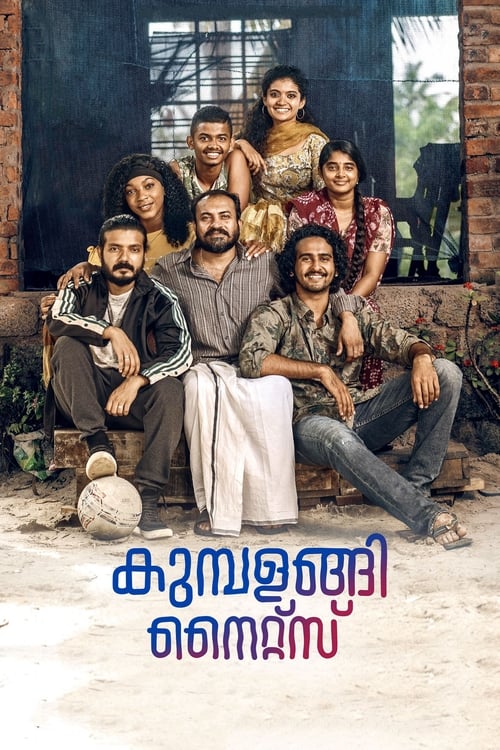
Kumbalangi Nights is a masterfully crafted Malayalam slice-of-life drama that delves into the complex dynamics of four estranged brothers living in a dilapidated house in rural Kerala. It's a profound exploration of masculinity, mental health, and the search for belonging, set against the stunning backwaters. The film's raw authenticity and nuanced character development offer a deeply immersive experience. While entirely unrelated to campus life or engineering colleges, its portrayal of young men grappling with their identities, responsibilities, and emotional vulnerabilities resonates with the broader themes of growth and self-discovery that are central to the collegiate experience, albeit in a vastly different setting.
As the anticipated sequel to a high-octane action thriller, Jailer 2 is poised to deliver another dose of adrenaline-pumping sequences and a compelling narrative centered around its protagonist's relentless pursuit of justice or vengeance. This film will undoubtedly focus on intense confrontations, strategic maneuvers, and the charismatic presence of its lead, characteristic of the action genre. It operates in a universe far removed from the lecture halls and dormitories of an engineering college. Its appeal lies in its promise of grand-scale entertainment and a continuation of a popular cinematic saga, catering to audiences seeking thrilling escapism rather than collegiate introspection.
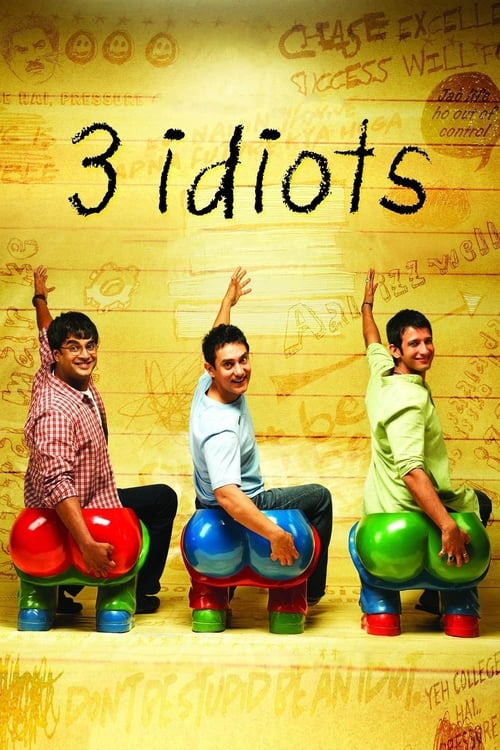
3 Idiots is arguably the definitive Indian engineering college film, a brilliant blend of humor, heart, and social commentary. It masterfully captures the intense academic pressure, the stifling rote learning system, and the profound friendships forged in the crucible of an elite institution. The film champions unconventional thinking, questioning the very purpose of education and inspiring countless students to pursue passion over conventional success. Its portrayal of hostel life, backbench humor, and the emotional rollercoaster of academic stress is remarkably authentic and deeply resonant, making it a powerful and enduring narrative about finding one's true calling amidst societal expectations.
⚡ At-A-Glance Comparison: Top Ranked Picks
Summary breakdown of release years, match DNA, and where to stream in India.
While the cinematic landscape of Indian campus life is rich, this particular selection, though diverse, highlights the challenge of categorisation. Only a few truly embody the engineering college spirit, yet each film, in its own right, offers a unique window into human experience. The enduring appeal of youth narratives, whether set in classrooms or mythical realms, lies in their ability to evoke emotion and spark reflection. This collection, therefore, serves as a testament to cinema's broad canvas, reminding us that stories of growth, struggle, and camaraderie transcend specific settings, even as we yearn for more authentic portrayals of the Indian engineering campus.
Frequently Asked Questions
Key answers for film lovers looking for titles like Indian Campus Youth and Engineering College Movies.
Indian campus movies often tap into universal themes of friendship, ambition, rebellion, and self-discovery, set against the backdrop of intense academic pressure and the unique cultural dynamics of hostel life. This blend creates a deeply resonant experience for audiences who have lived through or aspire to such formative years.
Explore Related Recommendations
Continue your cinematic journey with curated collections handpicked by our editorial team.