Golmaal Fun Unlimited Series Indian Movies in Chronological Order hero banner

Golmaal Fun Unlimited Series Indian Movies in Chronological Order

Explore the foundational pillars of Indian cinema. This curated list chronologically unveils early masterpieces, tracing the evolution of storytelling and technique.

Updated October 30, 2026

As a critic, one often encounters narratives that transcend their immediate context, becoming cornerstones of an entire industry. While the title might suggest a different cinematic journey, we embark here on an essential expedition through the nascent years of Indian filmmaking. This is not a mere list; it is a meticulously curated roadmap through the very genesis of our cinematic language, presenting films that, in their time, pushed boundaries, ignited imaginations, and laid the groundwork for the vibrant tapestry of Indian cinema we know today. From silent mythological epics to the advent of sound and the first stirrings of social realism, these works offer invaluable insights into the cultural, technological, and artistic shifts that defined an era. Understanding these foundational narratives is crucial for any true connoisseur seeking to grasp the depth and evolution of our storytelling heritage.

1
No Image Available
Mythological EpicPioneering Vision

Dadasaheb Phalke's 'Birth of Shri Krishna' stands as a monumental achievement, a silent mythological epic that further cemented the foundations of Indian cinema. Following his groundbreaking 'Raja Harishchandra,' Phalke continued to explore religious narratives, tapping into the spiritual consciousness of the nation. The film, though technically rudimentary by modern standards, showcased an ambitious scale for its time, employing special effects and elaborate sets to bring divine tales to life. Its significance lies not just in its storytelling but in its role in popularizing cinema as a medium for cultural and spiritual engagement, drawing audiences into the magic of the moving image and establishing a template for future mythologicals.

2
The Light of Asia - Ranking #2 Recommendation

The Light of Asia

⚡94% Match
Spiritual BiographyInternational Collaboration

'The Light of Asia,' a German-Indian co-production, represents a fascinating early example of international collaboration in Indian cinema. This silent film, depicting the life of Prince Siddhartha Gautama, later Buddha, brought a refined aesthetic and a global perspective to Indian storytelling. Directed by Franz Osten and Himansu Rai, it was lauded for its artistic merit and authentic portrayal of ancient India, filmed on location. Its success on the international circuit highlighted the potential of Indian narratives to transcend geographical boundaries, demonstrating a sophisticated approach to historical biography and spiritual themes that resonated with diverse audiences, marking a significant step in global cinematic exchange.

3
A Throw of Dice - Ranking #3 Recommendation

A Throw of Dice

⚡92% Match
Epic SpectacleFateful Betrayal

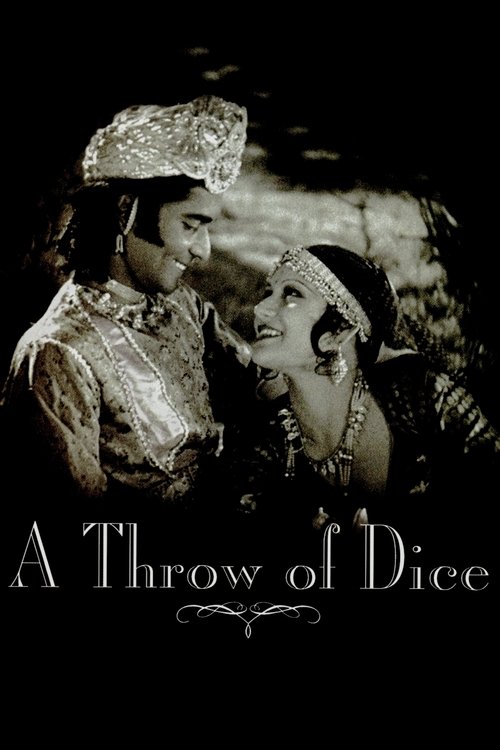
Franz Osten's 'A Throw of Dice' is a visually opulent silent film, a grand spectacle based on an episode from the Mahabharata. Its lavish production values, including thousands of extras and exotic locales, were unprecedented for its era, showcasing a cinematic ambition that rivaled Hollywood productions. The film's narrative, centered on a game of dice with devastating consequences, explores themes of fate, desire, and betrayal with dramatic intensity. Its meticulous craftsmanship and epic scope made it a landmark achievement, demonstrating the artistic and technical capabilities of early Indian cinema and its ability to adapt classical Indian literature into compelling visual narratives for a global audience.

4
Devdas - Ranking #4 Recommendation

Devdas

⚡90% Match
Tragic RomanceSocietal Constraints

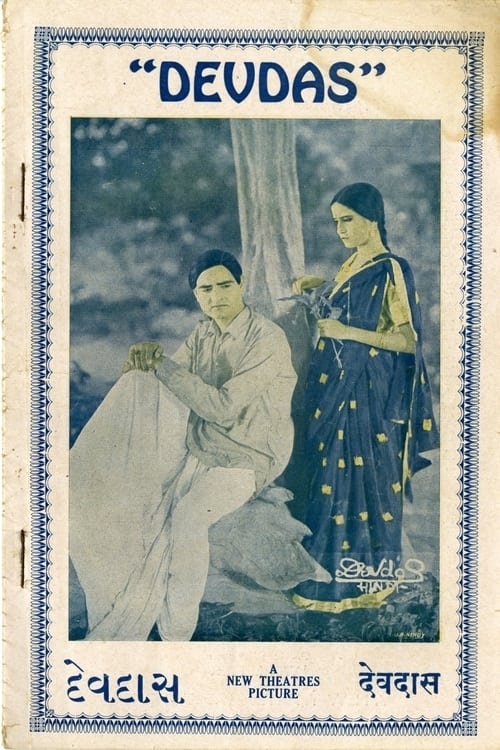
P.C. Barua's 'Devdas' (1936), a seminal adaptation of Sarat Chandra Chattopadhyay's novel, is arguably the definitive early talkie that cemented the tragic romantic archetype in Indian cinema. Starring K.L. Saigal, whose melancholic voice became synonymous with the doomed lover, the film masterfully captured the anguish of unrequited love and societal constraints. Its profound emotional depth and realistic portrayal of a man's descent into self-destruction resonated deeply with audiences, establishing a powerful narrative template. 'Devdas' not only showcased the potential of sound to enhance dramatic storytelling but also set a benchmark for character-driven tragedy, influencing countless subsequent romantic dramas.

5
Untouchable Girl - Ranking #5 Recommendation

Untouchable Girl

⚡88% Match
Social ReformCaste Discrimination

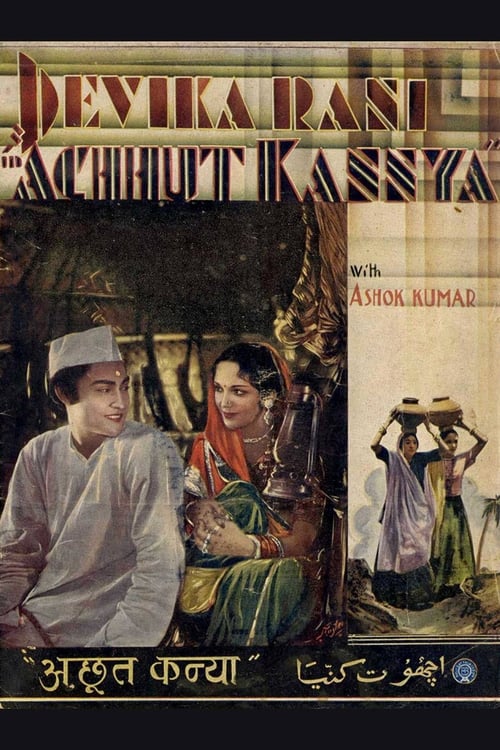
Franz Osten's 'Untouchable Girl' (Achhut Kanya) was a courageous and groundbreaking film for its time, directly confronting the deeply entrenched issue of caste discrimination. Starring Ashok Kumar and Devika Rani, it told the poignant story of a Brahmin boy and an 'untouchable' girl, challenging societal norms and advocating for social reform. The film's bold subject matter, combined with its powerful performances and melodious songs, made it a significant cultural event. It demonstrated cinema's potential as a tool for social commentary and change, sparking important conversations and marking a pivotal moment in Indian cinema's engagement with contemporary social issues, a true pioneer of its genre.

6
Kismet - Ranking #6 Recommendation

Kismet

⚡86% Match
Anti-Hero CharmWartime Patriotism

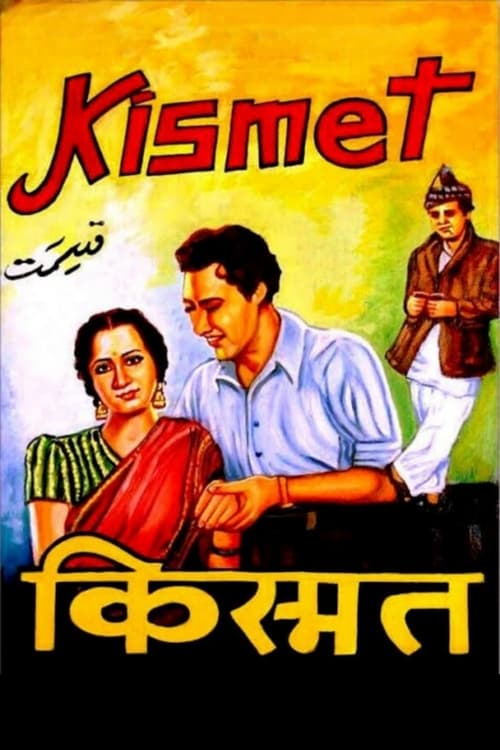
'Kismet' (1943) was a phenomenal wartime blockbuster that redefined the anti-hero archetype in Indian cinema. Starring Ashok Kumar as a charming thief with a heart of gold, the film broke conventions by presenting a morally ambiguous protagonist who was nonetheless endearing. Its intricate plot, memorable songs, and patriotic undertones (subtly woven into the narrative during World War II) made it a massive commercial success, running for over three years in a single theatre. 'Kismet' proved that audiences were ready for more complex characters and narratives, influencing future generations of filmmakers to explore shades of grey in their heroes, a true game-changer.

7
Shahjehan - Ranking #7 Recommendation

Shahjehan

⚡84% Match
Historical RomanceMusical Grandeur

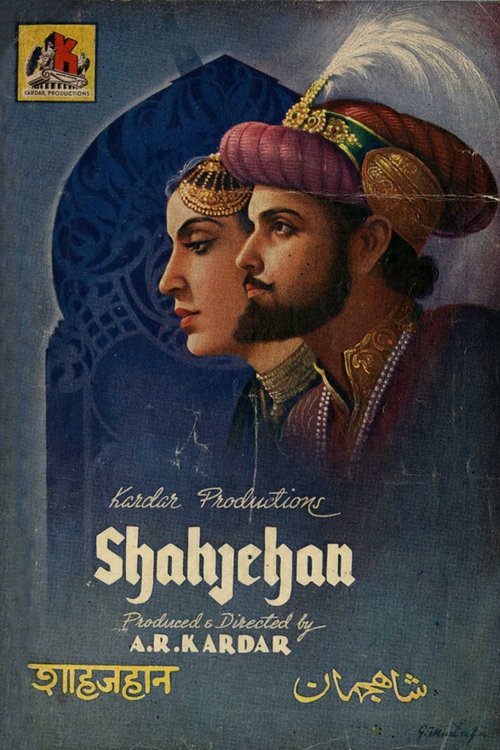
'Shahjehan' (1946) is a historical musical drama that beautifully captures the tragic romance of the Mughal emperor Shah Jahan and his beloved Mumtaz Mahal. Starring the legendary K.L. Saigal, whose soulful renditions of the film's ghazals became iconic, the movie immersed audiences in a world of imperial grandeur and profound grief. Its opulent sets, period costumes, and emotionally charged performances contributed to its critical acclaim. The film's enduring legacy lies in its ability to blend historical narrative with musical artistry, creating a poignant portrayal of love, loss, and the monumental ambition that birthed the Taj Mahal, a testament to enduring passion.

8
Dr. Kotnis Ki Amar Kahani - Ranking #8 Recommendation
Biographical HeroismInternational Solidarity

V. Shantaram's 'Dr. Kotnis Ki Amar Kahani' (1946) is a powerful biographical drama that pays tribute to the real-life Indian physician Dwarkanath Kotnis, who served in China during the Second Sino-Japanese War. The film, starring Shantaram himself in the titular role, is a stirring testament to selflessness, international solidarity, and medical heroism. Its realistic portrayal of wartime struggles and the doctor's dedication to humanity resonated deeply, offering a poignant message of cross-cultural empathy. This film stands as a significant example of Indian cinema's ability to tell inspiring true stories, highlighting individual sacrifice for a greater global cause, a truly moving tribute.

9
Neecha Nagar - Ranking #9 Recommendation

Neecha Nagar

⚡80% Match
Social RealismClass Struggle

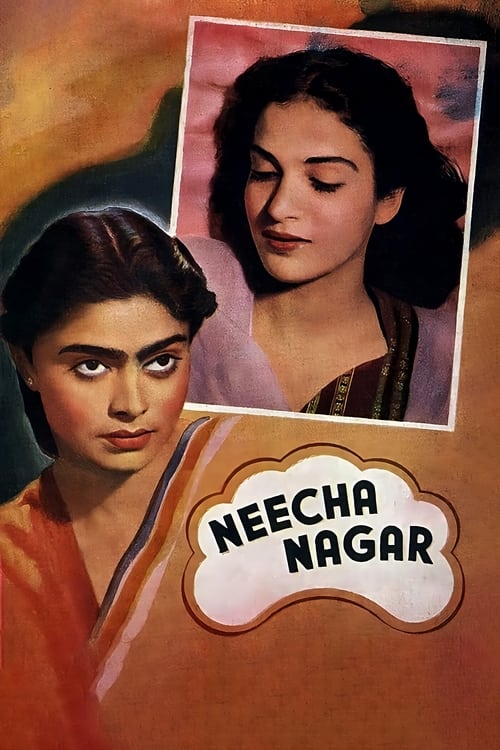
'Neecha Nagar' (1946), directed by Chetan Anand, holds the distinction of being the first Indian film to win the Grand Prix at the Cannes Film Festival (then Festival International du Film). This seminal work of social realism starkly depicted the stark class divide between the rich and the poor, using allegorical storytelling to critique societal injustices. Its raw, unflinching portrayal of exploitation and the struggle for dignity marked a significant departure from mainstream escapism. 'Neecha Nagar' not only brought international recognition to Indian cinema but also paved the way for a more socially conscious and artistically driven parallel cinema movement, a true landmark.

10
Kalpana - Ranking #10 Recommendation

Kalpana

⚡78% Match
Experimental DanceArtistic Vision

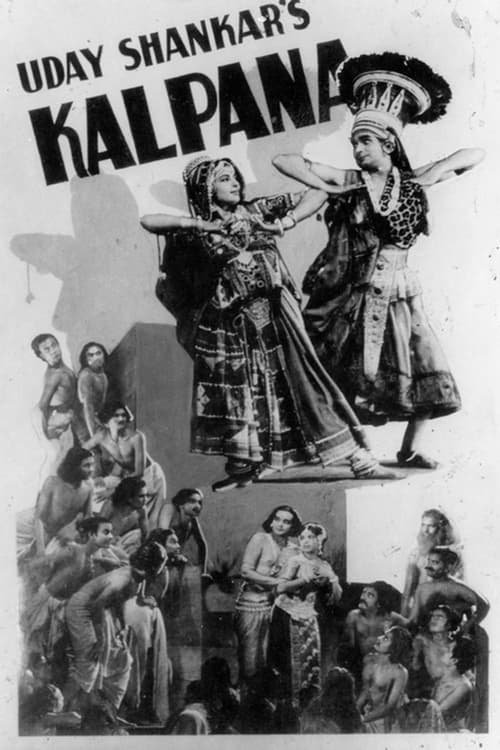
Uday Shankar's 'Kalpana' (1948) is a groundbreaking experimental dance film, a visionary masterpiece that blurs the lines between cinema, dance, and art. Conceived as a semi-autobiographical narrative, it explores the aspirations of a young dancer to establish a new art center, weaving together various Indian classical and folk dance forms. Its innovative cinematography, dreamlike sequences, and Shankar's revolutionary approach to visual storytelling made it a unique cinematic experience. 'Kalpana' stands as a testament to artistic freedom and creative expression, pushing the boundaries of what film could achieve beyond conventional narratives, a truly avant-garde creation.

⚡ At-A-Glance Comparison: Top Ranked Picks

Summary breakdown of release years, match DNA, and where to stream in India.

RankMovie TitleYearThematic DNAWhere to Stream (India)
#1Birth of Shri Krishna1918
Mythological EpicPioneering Vision
VOD / Digital
#2The Light of Asia1925
Spiritual BiographyInternational Collaboration
VOD / Digital
#3A Throw of Dice1929
Epic SpectacleFateful Betrayal
VOD / Digital
#4Devdas1936
Tragic RomanceSocietal Constraints
VOD / Digital
#5Untouchable Girl1936
Social ReformCaste Discrimination
VOD / Digital
#6Kismet1943
Anti-Hero CharmWartime Patriotism
VOD / Digital
#7Shahjehan1946
Historical RomanceMusical Grandeur
VOD / Digital
#8Dr. Kotnis Ki Amar Kahani1946
Biographical HeroismInternational Solidarity
VOD / Digital
#9Neecha Nagar1946
Social RealismClass Struggle
VOD / Digital
#10Kalpana1948
Experimental DanceArtistic Vision
VOD / Digital

🎬 Critic's Final Verdict & Where to Begin

This chronological exploration reveals more than just individual films; it uncovers the very DNA of Indian cinema. Each entry, a testament to pioneering spirit and artistic ambition, collectively paints a vivid picture of a nascent industry grappling with new technology, societal narratives, and the universal quest for compelling storytelling. These early works, often overlooked in contemporary discourse, are indispensable for appreciating the rich, complex lineage of our films. They are not just historical artifacts but living documents that continue to resonate, offering profound lessons in narrative construction, character development, and the enduring power of the moving image. A truly enriching journey for any cinephile.

Frequently Asked Questions

Key answers for film lovers looking for titles like Golmaal Fun Unlimited Series Indian Movies in Chronological Order.

These films represent critical milestones: from Dadasaheb Phalke's mythologicals establishing the industry, to early international collaborations, the advent of talkies, and the emergence of social realism and anti-hero archetypes. They collectively illustrate the technological, thematic, and artistic evolution of Indian cinema's formative decades.