Gangs of Wasseypur Epic Indian Movies in Chronological Order hero banner

Gangs of Wasseypur Epic Indian Movies in Chronological Order

Explore a curated chronological journey through foundational Indian cinema, revealing the epic storytelling roots that shaped its narrative landscape and cultural impact.

Updated October 30, 2026

As a critic, I often reflect on the grand tapestry of Indian cinema, a narrative tradition so rich and expansive that it defies simple categorization. While the title might evoke the raw, visceral saga of Wasseypur, today we embark on a different, yet equally profound, chronological odyssey. This curated selection delves into the foundational epics of early Indian filmmaking, films that, in their nascent brilliance, established the very grammar and thematic depth that would resonate through generations, ultimately informing the ambitious storytelling we celebrate today. These are not direct prequels, but rather the cinematic ancestors, the cultural bedrock upon which the edifice of Indian narrative cinema was built. Understanding their timeline, their pioneering spirit, and their enduring themes offers a unique 'roadmap' to appreciate the continuity of Indian storytelling, revealing how early cinematic 'Easter eggs' of technique and narrative structure evolved into the complex universes we now cherish. Join me in uncovering the genesis of Indian cinema's epic soul.

1
No Image Available
Mythological GenesisCultural Assertion

Dadasaheb Phalke's mythological spectacle, a cornerstone of early Indian cinema, masterfully brought divine narratives to the screen. Following his groundbreaking 'Raja Harishchandra,' this film further cemented the mythological genre's appeal, showcasing nascent special effects and intricate stagecraft to depict the birth and early life of Lord Krishna. Phalke's vision was not merely entertainment; it was a cultural assertion, using the new medium to connect with a deeply spiritual audience. Its significance lies in establishing a template for religious storytelling, demonstrating cinema's power to translate revered epics into a visual language accessible to the masses, thus shaping the very identity of Indian filmmaking.

2
The Light of Asia - Ranking #2 Recommendation

The Light of Asia

⚡94% Match
Spiritual OdysseyInternational Collaboration

A landmark Indo-German co-production, 'The Light of Asia' (Prem Sanyas) offered a sophisticated portrayal of Prince Siddhartha's journey to enlightenment. Directed by Franz Osten and Himanshu Rai, this silent epic transcended geographical boundaries, presenting a universally resonant spiritual narrative with remarkable visual artistry. Its meticulous production design and earnest performances captivated international audiences, proving Indian stories held global appeal. The film's contemplative pace and focus on spiritual awakening marked a departure from pure mythological spectacle, introducing a more introspective and philosophical dimension to Indian cinematic storytelling, influencing subsequent historical and biographical dramas.

3
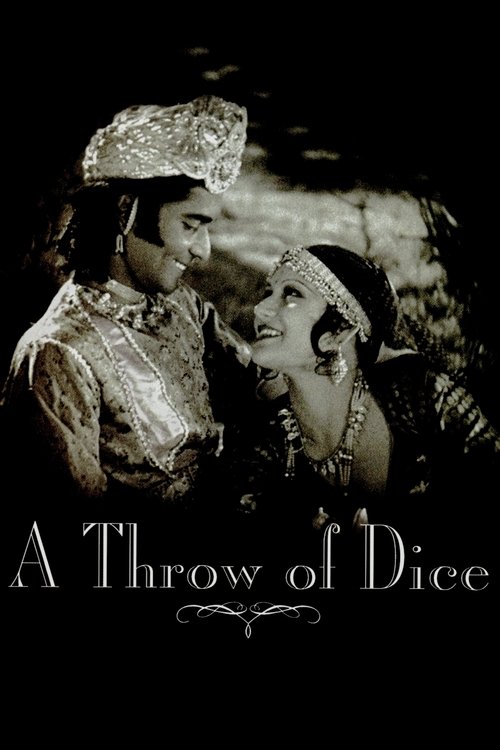
A Throw of Dice - Ranking #3 Recommendation

A Throw of Dice

⚡92% Match
Destiny's GameVisual Opulence

Another Himanshu Rai and Franz Osten collaboration, 'A Throw of Dice' (Prapancha Pash) is a visually stunning silent film steeped in ancient Indian lore, specifically a tale from the Mahabharata. Its opulent sets, elaborate costumes, and grand scale were revolutionary for its time, showcasing a sophisticated understanding of cinematic spectacle. The narrative, a tragic love triangle intertwined with a fateful game of dice, explores themes of desire, betrayal, and destiny with dramatic intensity. This film solidified the potential for Indian cinema to craft compelling, high-stakes dramas with universal appeal, demonstrating an early mastery of visual storytelling and emotional depth that would become hallmarks of the industry.

4
Devdas - Ranking #4 Recommendation

Devdas

⚡90% Match
Romantic TragedySocietal Constraints

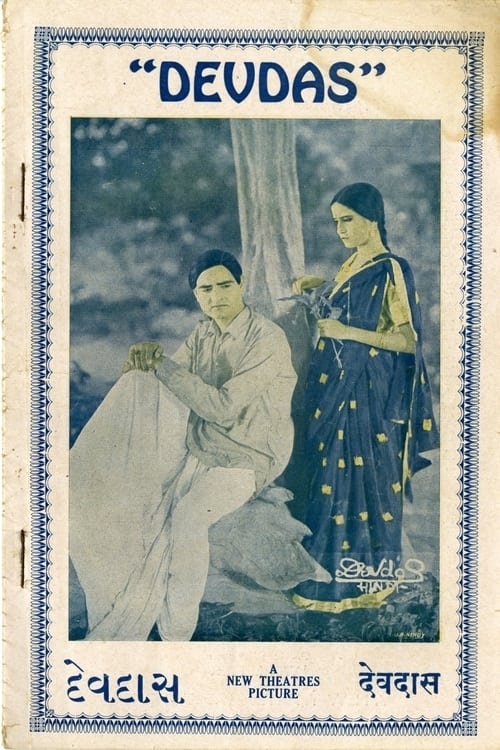
P.C. Barua's 'Devdas,' starring K.L. Saigal, is arguably the definitive early adaptation of Sarat Chandra Chattopadhyay's tragic novel, setting a benchmark for romantic tragedy in Indian cinema. Saigal's melancholic portrayal of the doomed lover, caught between societal expectations and unfulfilled passion, resonated deeply with audiences. The film's poignant narrative, exploring themes of class divide, unrequited love, and self-destruction, established a powerful archetype that would be revisited countless times. Its success cemented the literary adaptation as a potent source for cinematic narratives and showcased the emerging power of sound to enhance emotional depth, making it a cultural touchstone.

5
Untouchable Girl - Ranking #5 Recommendation

Untouchable Girl

⚡88% Match
Social ReformForbidden Love

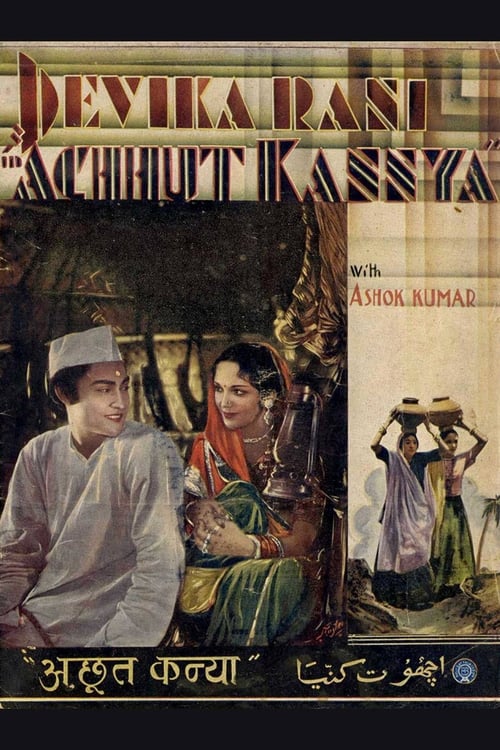
'Untouchable Girl' (Achhut Kanya), directed by Franz Osten and starring Ashok Kumar and Devika Rani, was a courageous and socially conscious film for its era. It tackled the deeply entrenched issue of untouchability, portraying the forbidden love between a Brahmin boy and an 'untouchable' girl. The film's bold narrative challenged prevailing social norms, advocating for equality and compassion. Its commercial success proved that cinema could be a powerful tool for social commentary and reform, not just entertainment. This pioneering work laid the groundwork for a tradition of socially relevant cinema, demonstrating the medium's capacity to provoke thought and inspire change.

6
Kismet - Ranking #6 Recommendation

Kismet

⚡86% Match
Anti-Hero ArchetypeCommercial Blockbuster

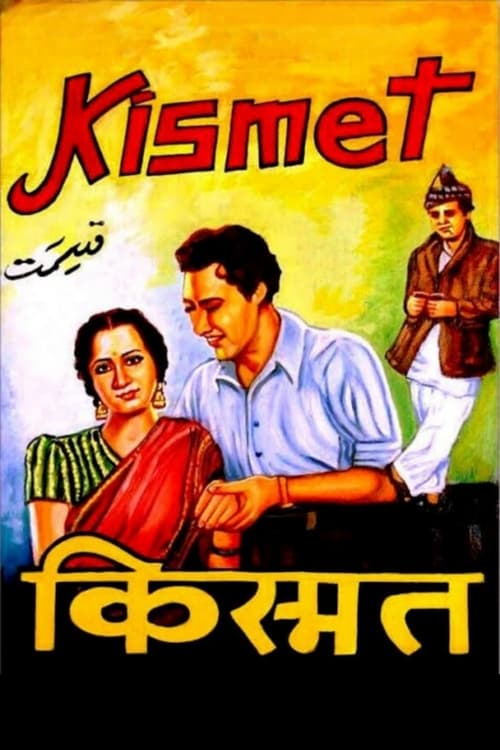
Gyan Mukherjee's 'Kismet' was a groundbreaking blockbuster that redefined commercial success in Indian cinema, running for over three years in Calcutta. Starring Ashok Kumar in a dual role, it introduced the anti-hero archetype to mainstream audiences – a charming thief with a heart of gold. The film's innovative narrative blended crime, romance, and patriotic undertones (subtly critiquing British rule), all set to memorable music. Its slick pacing, engaging plot twists, and charismatic performances captivated a nation grappling with wartime realities. 'Kismet' proved that popular cinema could be both entertaining and subtly subversive, establishing a formula for mass appeal that would endure for decades.

7
Shahjehan - Ranking #7 Recommendation

Shahjehan

⚡84% Match
Historical GrandeurImperial Tragedy

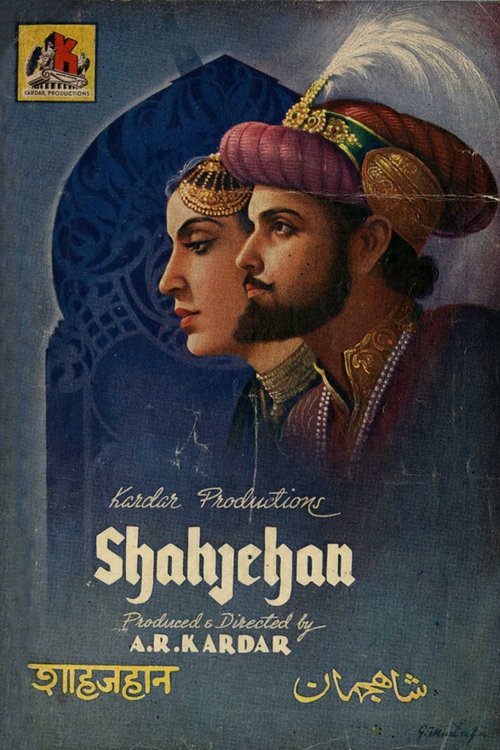
'Shahjehan,' directed by A.R. Kardar, is a historical drama that delves into the tragic later life of the Mughal emperor, focusing on his imprisonment by his son Aurangzeb and his enduring love for Mumtaz Mahal. The film is notable for its grand scale, evocative period detail, and the powerful performance by K.L. Saigal in the titular role, delivering some of his most iconic songs. It captured the melancholic grandeur of a bygone era, exploring themes of power, loss, and eternal love. 'Shahjehan' exemplified the potential of historical epics to blend personal tragedy with national narrative, contributing to a rich tradition of historical dramas in Indian cinema.

8
Dr. Kotnis Ki Amar Kahani - Ranking #8 Recommendation
Humanitarian HeroismBiographical Drama

V. Shantaram's 'Dr. Kotnis Ki Amar Kahani' is a biographical drama celebrating the extraordinary life of Dr. Dwarkanath Kotnis, an Indian physician who served in China during the Second Sino-Japanese War. Shantaram himself played the titular role, bringing a profound sense of dedication and sacrifice to the screen. The film was a powerful testament to international solidarity and humanitarianism, showcasing a real-life hero whose selflessness transcended national boundaries. Its realistic portrayal and inspiring message resonated deeply in post-war India, highlighting cinema's capacity to honor national heroes and promote universal values, marking a significant entry in the biographical genre.

9
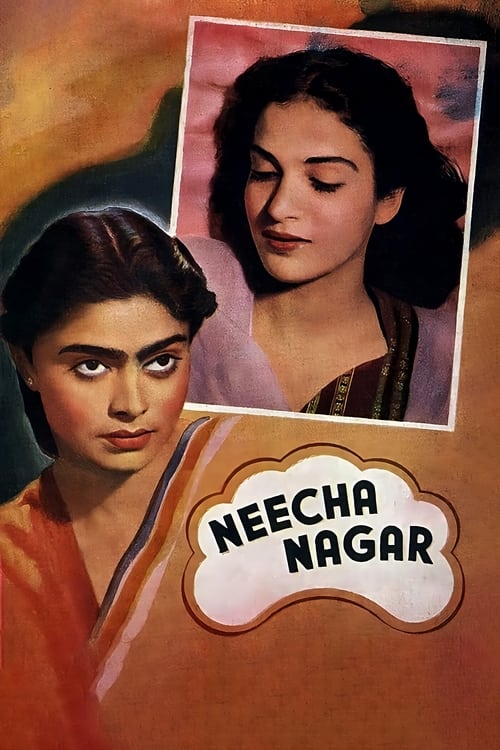
Neecha Nagar - Ranking #9 Recommendation

Neecha Nagar

⚡80% Match
Social RealismClass Exploitation

Chetan Anand's 'Neecha Nagar' is a seminal work in Indian parallel cinema, earning the Grand Prix at the first Cannes Film Festival. This stark social realist drama critiques class exploitation, depicting the struggle between the wealthy elite and the impoverished villagers whose lives are poisoned by industrial waste. Its unflinching portrayal of social injustice, combined with a poetic yet gritty aesthetic, marked a significant departure from mainstream escapism. The film's international recognition brought Indian cinema global acclaim and established a powerful tradition of socially conscious filmmaking, demonstrating that art could be both politically charged and aesthetically profound.

10
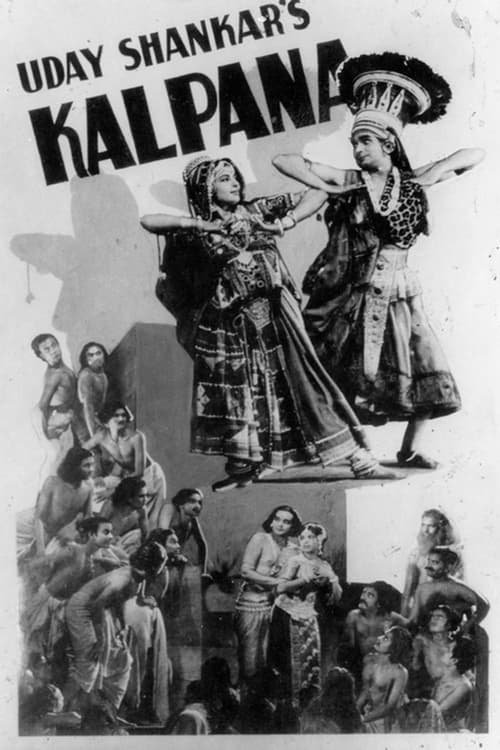
Kalpana - Ranking #10 Recommendation

Kalpana

⚡78% Match
Artistic ExpressionCinematic Ballet

Uday Shankar's 'Kalpana' is a unique and visionary film, a cinematic ballet that blends dance, music, and narrative to explore the aspirations of a young dancer. A semi-autobiographical work, it is a vibrant, experimental piece that pushed the boundaries of conventional storytelling. Its innovative use of dream sequences, abstract imagery, and fluid choreography created a mesmerizing visual experience. 'Kalpana' stands as a testament to artistic freedom and the expressive power of cinema beyond dialogue-driven narratives. It remains a pioneering work in experimental Indian cinema, inspiring future generations to explore non-traditional forms and embrace artistic innovation.

⚡ At-A-Glance Comparison: Top Ranked Picks

Summary breakdown of release years, match DNA, and where to stream in India.

RankMovie TitleYearThematic DNAWhere to Stream (India)
#1Birth of Shri Krishna1918
Mythological GenesisCultural Assertion
VOD / Digital
#2The Light of Asia1925
Spiritual OdysseyInternational Collaboration
VOD / Digital
#3A Throw of Dice1929
Destiny's GameVisual Opulence
VOD / Digital
#4Devdas1936
Romantic TragedySocietal Constraints
VOD / Digital
#5Untouchable Girl1936
Social ReformForbidden Love
VOD / Digital
#6Kismet1943
Anti-Hero ArchetypeCommercial Blockbuster
VOD / Digital
#7Shahjehan1946
Historical GrandeurImperial Tragedy
VOD / Digital
#8Dr. Kotnis Ki Amar Kahani1946
Humanitarian HeroismBiographical Drama
VOD / Digital
#9Neecha Nagar1946
Social RealismClass Exploitation
VOD / Digital
#10Kalpana1948
Artistic ExpressionCinematic Ballet
VOD / Digital

🎬 Critic's Final Verdict & Where to Begin

This journey through early Indian cinema underscores a vital truth: the 'epic' in our storytelling tradition is not a modern invention, but an inherent quality, present from its very dawn. These films, though often overlooked in contemporary discourse, are indispensable chapters in our cinematic history. They are the silent architects of the narrative ambition, the character depth, and the cultural resonance that define Indian cinema, from its earliest mythologicals to its most recent, sprawling sagas. To truly grasp the lineage of a film like Wasseypur, one must first appreciate the profound legacy laid down by these pioneering works, understanding that every grand narrative stands on the shoulders of these giants.

Frequently Asked Questions

Key answers for film lovers looking for titles like Gangs of Wasseypur Epic Indian Movies in Chronological Order.

These films are considered 'epic' not just for their scale, but for their foundational role in establishing narrative conventions, exploring profound cultural themes, and pioneering cinematic techniques that would influence generations of filmmakers, laying the groundwork for all subsequent Indian storytelling.