Dhoom Action Heist Series Indian Movies in Chronological Order hero banner

Dhoom Action Heist Series Indian Movies in Chronological Order

A critical journey through foundational Indian cinema, exploring early narratives, cultural impact, and the chronological evolution of storytelling.

Updated October 30, 2026

As a critic, few journeys are as compelling as tracing the foundational narratives that shaped Indian cinema. While the title might evoke images of high-octane chases and intricate heists, our focus today is on a different kind of 'dhoom' – the explosive impact and enduring legacy of films that laid the very bedrock of this vibrant industry. We embark on a chronological exploration, not of a specific franchise, but of pivotal early works that defined genres, introduced cinematic language, and reflected the socio-cultural fabric of their times. From mythological epics to poignant social commentaries, these films, though separated by decades from contemporary blockbusters, offer invaluable insights into the evolution of Indian storytelling. This curated roadmap delves into their historical significance, artistic merit, and the subtle threads of continuity that connect them, revealing the nascent genius that continues to inspire. Prepare for a deep dive into the cinematic origins, uncovering the true 'action' of artistic innovation and the 'heist' of capturing a nation's imagination, demonstrating how these early masterpieces set the stage for everything that followed, including the very concept of a cinematic series.

1
No Image Available
Mythological GrandeurDevotional Narrative

Dadasaheb Phalke's mythological epic, a silent marvel, solidified the genre's appeal in nascent Indian cinema. Following his groundbreaking 'Raja Harishchandra', this film further explored Hindu mythology, captivating audiences with its visual storytelling and devotional themes. Phalke's meticulous craftsmanship, even in an era of limited technology, brought divine narratives to life on screen, establishing a template for religious cinema. Its success underscored the audience's hunger for familiar stories, presented with cinematic grandeur, laying crucial groundwork for the industry's commercial viability and cultural resonance. This film is a testament to early Indian filmmaking's ambition and spiritual core.

2
The Light of Asia - Ranking #2 Recommendation

The Light of Asia

⚡94% Match
Spiritual QuestCross-Cultural Cinema

A German-Indian co-production, 'The Light of Asia' (Prem Sanyas) offered a sophisticated portrayal of Prince Siddhartha's journey to enlightenment. Directed by Franz Osten and Himanshu Rai, this silent film transcended geographical boundaries with its universal themes of renunciation and spiritual awakening. Its international collaboration marked a significant moment for Indian cinema, showcasing its potential on a global stage. The film's artistic cinematography and nuanced performances, particularly by Rai, elevated the biographical genre, demonstrating a refined approach to storytelling that blended Eastern philosophy with Western cinematic techniques. It remains a landmark for its cross-cultural significance.

3
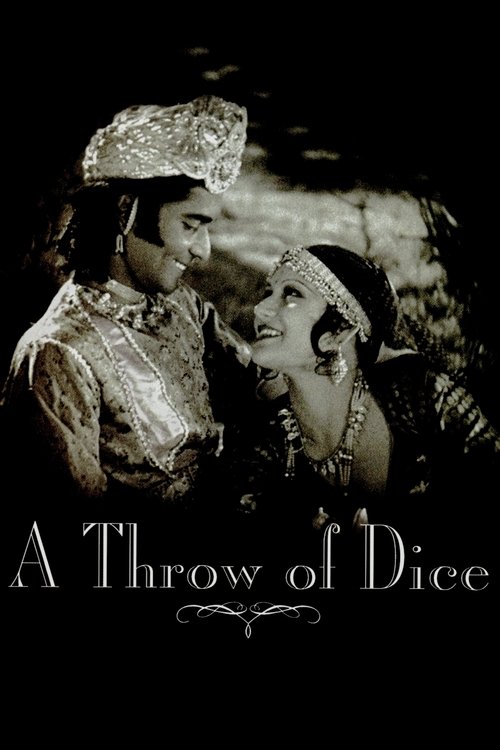
A Throw of Dice - Ranking #3 Recommendation

A Throw of Dice

⚡92% Match
Royal IntrigueFateful Choices

Another collaboration between Franz Osten and Himanshu Rai, 'A Throw of Dice' (Prapancha Pash) is a visually stunning silent film based on an episode from the Mahabharata. Its narrative of kings, love, and betrayal, centered around a fateful dice game, is rendered with remarkable artistry. The film's elaborate sets, costumes, and location shooting in Rajasthan provided an exotic spectacle, appealing to both Indian and international audiences. It showcased a growing sophistication in Indian filmmaking, moving beyond simple mythological retellings to embrace more complex dramatic structures and visual aesthetics. This film is a masterclass in silent era spectacle and dramatic tension.

4
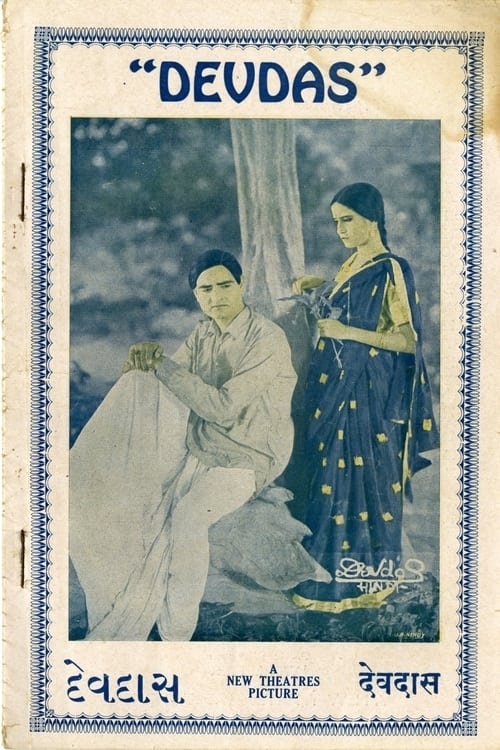
Devdas - Ranking #4 Recommendation

Devdas

⚡90% Match
Tragic RomanceSocietal Constraints

P.C. Barua's 'Devdas', starring K.L. Saigal, became the definitive adaptation of Sarat Chandra Chattopadhyay's tragic novel, profoundly influencing subsequent cinematic portrayals. This early talkie captured the essence of unrequited love and self-destruction with unprecedented emotional depth. Saigal's melancholic voice and nuanced performance cemented his iconic status, making the character of Devdas synonymous with tragic romance. The film's exploration of societal constraints, class differences, and the devastating consequences of personal weakness resonated deeply, establishing a powerful template for romantic tragedies in Indian cinema. Its enduring legacy lies in its raw emotional honesty and cultural impact.

5
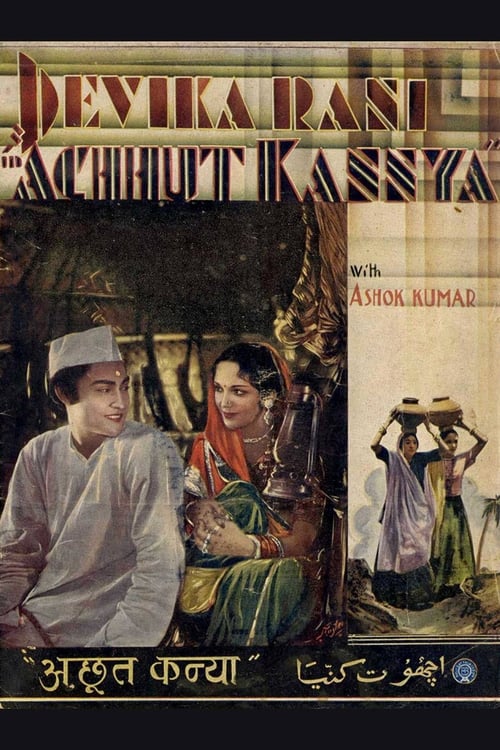
Untouchable Girl - Ranking #5 Recommendation

Untouchable Girl

⚡88% Match
Social ReformForbidden Love

'Achhut Kanya' (Untouchable Girl), directed by Franz Osten and starring Ashok Kumar and Devika Rani, was a groundbreaking social drama that boldly addressed the issue of untouchability. Released during a period of intense social reform, the film championed Mahatma Gandhi's ideals of equality and challenged caste discrimination. Its poignant narrative of a Brahmin boy and an 'untouchable' girl's forbidden love sparked widespread discussion and empathy. The film's courage in tackling such a sensitive subject, combined with its powerful performances and memorable songs, made it a significant milestone in Indian cinema's role as a catalyst for social change.

6
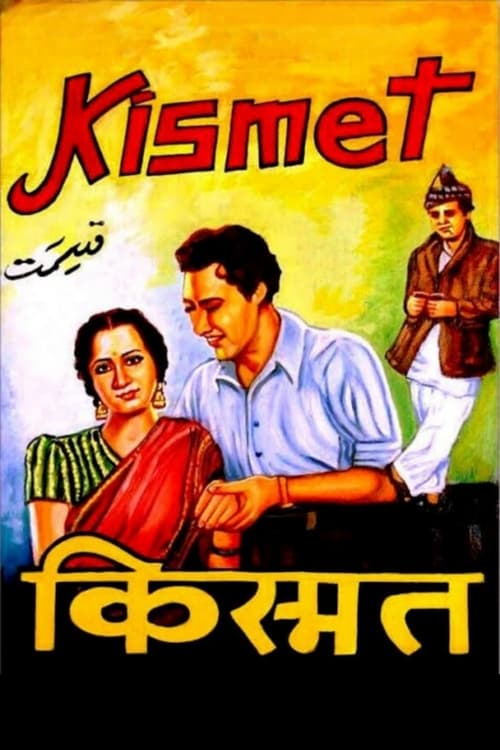
Kismet - Ranking #6 Recommendation

Kismet

⚡86% Match
Anti-Hero CharmWartime Entertainment

Gyan Mukherjee's 'Kismet' was a phenomenal box office success, running for over three years in Calcutta and setting new benchmarks for commercial cinema. Starring Ashok Kumar in a dual role, including an anti-hero, the film broke conventions with its daring portrayal of a charming thief and a strong female lead. Its blend of action, romance, and patriotic undertones (subtly woven in during wartime) resonated with a nation yearning for escapism and entertainment. 'Kismet' proved that Indian cinema could deliver thrilling, mass-appealing narratives while still reflecting contemporary sentiments, solidifying the star system and the commercial viability of the talkie era.

7
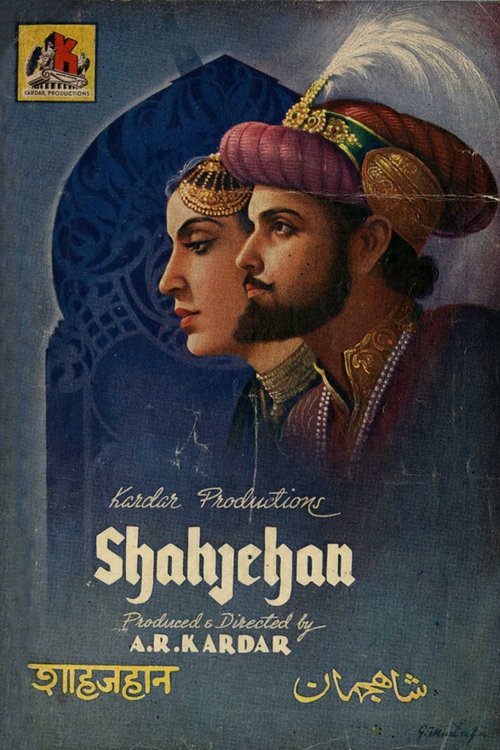
Shahjehan - Ranking #7 Recommendation

Shahjehan

⚡84% Match
Historical GrandeurImperial Tragedy

'Shahjehan', directed by A.R. Kardar, is a historical drama that delves into the life of the Mughal emperor, focusing on his architectural ambitions and personal tragedies. Known for its opulent sets and costumes, the film recreated a bygone era with cinematic grandeur. K.L. Saigal's portrayal of the emperor, coupled with his soulful renditions of classical songs, added immense depth and pathos to the narrative. The film explored themes of power, love, and loss against a majestic historical backdrop, showcasing the potential of Indian cinema to bring historical epics to life with artistic flair and emotional resonance.

8
Dr. Kotnis Ki Amar Kahani - Ranking #8 Recommendation
Humanitarian HeroismWartime Sacrifice

V. Shantaram's 'Dr. Kotnis Ki Amar Kahani' is a powerful biographical film celebrating the life of Dr. Dwarkanath Kotnis, an Indian physician who served in China during the Second Sino-Japanese War. Shantaram himself played the titular role, delivering a compelling performance that highlighted selflessness and international solidarity. The film's realistic portrayal of wartime struggles and humanitarian spirit was a departure from typical escapist fare, offering a poignant and inspiring narrative. It stands as a testament to cinema's ability to document real-life heroism and foster cross-cultural understanding, making a strong statement about human resilience and sacrifice.

9
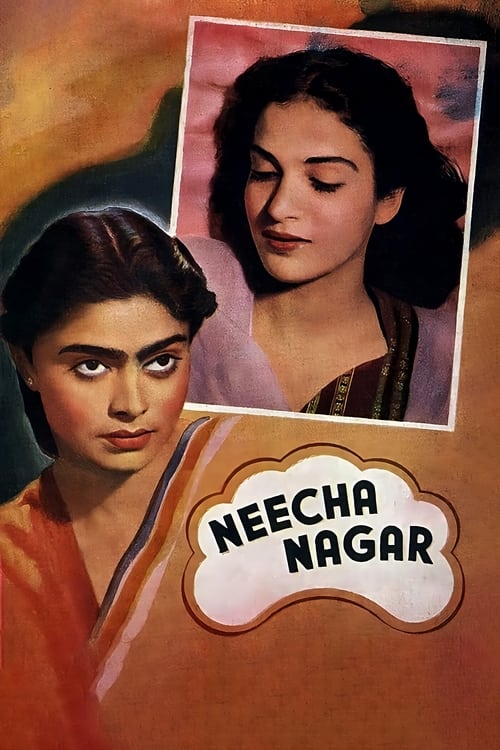
Neecha Nagar - Ranking #9 Recommendation

Neecha Nagar

⚡80% Match
Class StruggleSocial Realism

Chetan Anand's 'Neecha Nagar' (Lowly City) is a seminal work in Indian parallel cinema, winning the Grand Prix at the first Cannes Film Festival. This stark social realist drama critiques class disparity and exploitation, depicting the struggle of villagers against a wealthy landlord. Its unflinching portrayal of poverty and injustice, combined with a poetic yet grounded visual style, marked a significant shift towards socially conscious filmmaking. The film's allegorical narrative and powerful performances resonated globally, establishing a new artistic direction for Indian cinema that prioritized social commentary over commercial spectacle. It remains a powerful statement on human dignity.

10
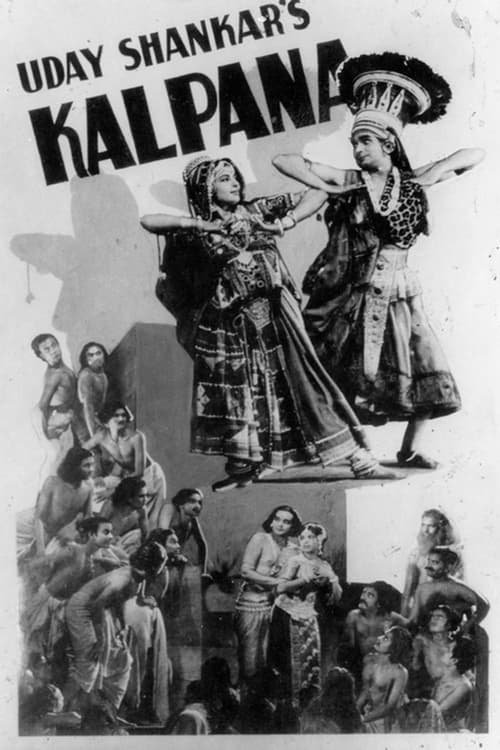
Kalpana - Ranking #10 Recommendation

Kalpana

⚡78% Match
Artistic ExpressionExperimental Narrative

Uday Shankar's 'Kalpana' (Imagination) is a unique and visionary film, a cinematic ballet that explores the aspirations and frustrations of an artist. Shankar, a pioneer of modern Indian dance, used the medium of film to express his artistic philosophy, blending traditional Indian dance forms with contemporary themes. The film's experimental narrative, dreamlike sequences, and innovative choreography were far ahead of their time, challenging conventional storytelling. While not a commercial success, 'Kalpana' is revered as an artistic masterpiece, a bold exploration of creative expression and the struggles inherent in pursuing artistic dreams. It remains a singular achievement in Indian cinematic art.

⚡ At-A-Glance Comparison: Top Ranked Picks

Summary breakdown of release years, match DNA, and where to stream in India.

RankMovie TitleYearThematic DNAWhere to Stream (India)
#1Birth of Shri Krishna1918
Mythological GrandeurDevotional Narrative
VOD / Digital
#2The Light of Asia1925
Spiritual QuestCross-Cultural Cinema
VOD / Digital
#3A Throw of Dice1929
Royal IntrigueFateful Choices
VOD / Digital
#4Devdas1936
Tragic RomanceSocietal Constraints
VOD / Digital
#5Untouchable Girl1936
Social ReformForbidden Love
VOD / Digital
#6Kismet1943
Anti-Hero CharmWartime Entertainment
VOD / Digital
#7Shahjehan1946
Historical GrandeurImperial Tragedy
VOD / Digital
#8Dr. Kotnis Ki Amar Kahani1946
Humanitarian HeroismWartime Sacrifice
VOD / Digital
#9Neecha Nagar1946
Class StruggleSocial Realism
VOD / Digital
#10Kalpana1948
Artistic ExpressionExperimental Narrative
VOD / Digital

🎬 Critic's Final Verdict & Where to Begin

This chronological journey through early Indian cinema reveals a rich tapestry of ambition, innovation, and cultural reflection. These films, far from being mere historical artifacts, are vibrant testaments to the power of storytelling. They established archetypes, pioneered techniques, and bravely tackled societal issues, laying the groundwork for the complex narratives we cherish today. Understanding these origins is crucial for appreciating the full spectrum of Indian cinematic achievement. They represent the true 'first acts' in a grand, ongoing saga, proving that the spirit of impactful, engaging cinema was present from its very inception, long before modern franchises took center stage.

Frequently Asked Questions

Key answers for film lovers looking for titles like Dhoom Action Heist Series Indian Movies in Chronological Order.

Reviewing these films chronologically allows us to trace the evolution of Indian cinematic language, narrative styles, and thematic concerns from its silent era beginnings to the post-independence period. It highlights how foundational genres were established and how filmmakers responded to societal changes.