The landscape of Indian cinema is a vibrant tapestry, constantly weaving narratives that resonate deeply with audiences across linguistic and cultural divides. When we consider a film like Tamilarasan, we're not merely looking at its genre, but at its inherent power to engage, provoke, and reflect societal nuances through compelling storytelling. This curated selection delves into ten such Indian movies that, while diverse in their thematic and stylistic approaches, share a similar spirit of impactful narrative, strong character development, and often, a profound connection to the Indian experience. From searing social commentaries to intricate romantic thrillers and heartwarming tales of human resilience, these films transcend their immediate contexts to offer universal insights. They represent the rich, evolving voice of Pan-Indian cinema, demonstrating how stories, when told with conviction and artistic integrity, can captivate and leave an indelible mark, much like the intense journey Tamilarasan offers its viewers.
Ishqeria navigates the tender complexities of first love and burgeoning adulthood with a delicate touch. While its premise of a small-town girl falling for a college heartthrob might seem conventional, the film imbues this journey with an earnestness that feels authentic. The screenplay thoughtfully explores the emotional vulnerabilities and societal pressures that shape young relationships, avoiding overt melodrama in favour of nuanced character arcs. Direction maintains a gentle pace, allowing the audience to connect with the protagonist's internal world. Cinematography captures the quaint charm of its setting, enhancing the film's innocent yet poignant exploration of growing up and the often-unpredictable nature of young romance.
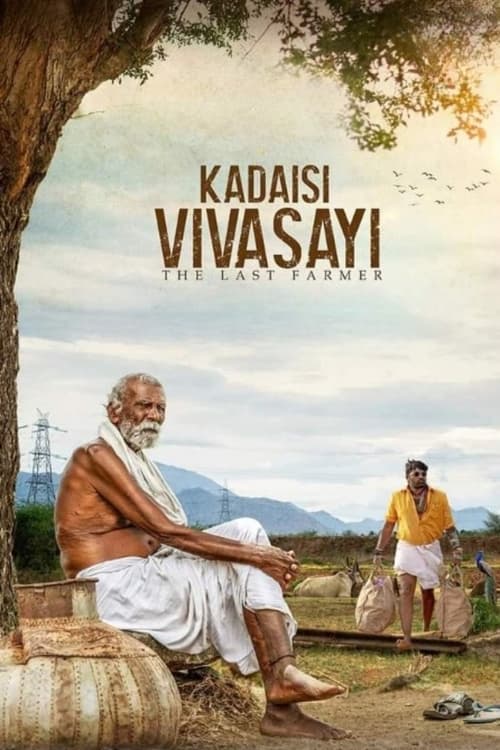
Kadaisi Vivasayi is a profound cinematic poem, a poignant ode to a vanishing way of life and the indomitable human spirit. Director M. Manikandan crafts a narrative that is both deeply rooted in rural Tamil Nadu and universally resonant in its themes of dignity, tradition, and the relentless march of progress. The screenplay, sparse yet powerful, allows the central performance of the non-professional actor Nallandi to shine with an almost documentary-like authenticity. Cinematography beautifully captures the rustic charm and quiet struggles of village life, while the direction ensures every frame speaks volumes. It's a film that champions the forgotten, making a compelling case for its inclusion among India's most significant social dramas.
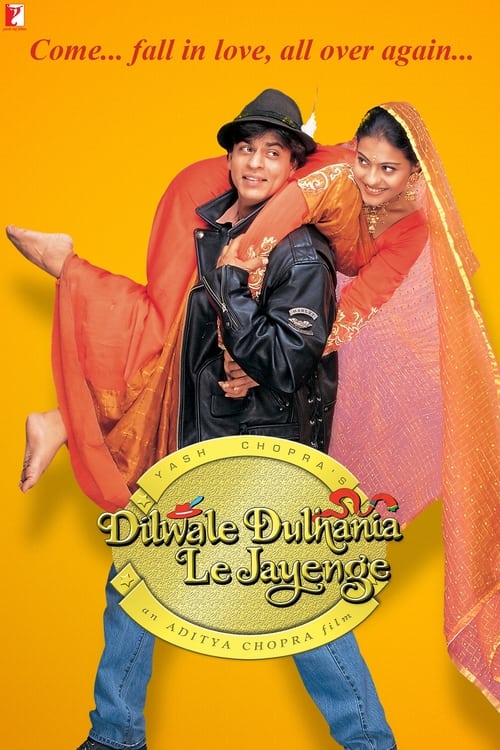
Dilwale Dulhania Le Jayenge remains an undisputed cultural phenomenon, a benchmark for romantic cinema in India. Its enduring appeal lies in Aditya Chopra's masterful screenplay, which expertly balances traditional Indian values with modern aspirations, particularly through the lens of the NRI experience. The direction created iconic moments and chemistry that transcended the screen, making Raj and Simran household names. Cinematography, with its picturesque European landscapes and vibrant Indian settings, became synonymous with aspirational romance. It's a film that not only defined a generation's understanding of love but also solidified the template for grand, emotionally rich family dramas, making it a timeless classic.
Yeh Saali Aashiqui subverts conventional romantic tropes, plunging into a dark, psychological thriller territory with unsettling precision. What begins as a seemingly idyllic college romance quickly unravels into a chilling narrative of obsession and betrayal. The screenplay is a tight, unpredictable weave of twists and turns, constantly challenging audience expectations. Director Cherag Ruparel skillfully builds suspense, maintaining a palpable sense of unease throughout. Cinematography often employs stark contrasts and claustrophobic framing to reflect the characters' deteriorating mental states. It's a bold, often disturbing exploration of love's darker side, earning its place for its audacious narrative and psychological depth.
Shortcut Romeo is a romantic thriller that delves into the murky waters of blackmail and moral compromise. The film's screenplay crafts a convoluted plot where a chance encounter leads to a dangerous game of cat and mouse, intertwining romance with high stakes. Director Susi Ganeshan attempts to create a stylish and suspenseful narrative, focusing on the protagonist's desperate attempts to navigate the consequences of his actions. While the execution can be uneven, its inclusion here is for its commitment to the thriller genre, exploring themes of deceit and survival within a romantic context. Cinematography often aims for a sleek, urban aesthetic, complementing the film's suspenseful undertones.
Zakir Khan: Haq Se Single stands out as a unique entry, a masterclass in observational comedy that transcends mere stand-up to become a cultural commentary. Zakir's narrative, delivered with impeccable timing and relatable anecdotes, dissects the modern Indian male's journey through love, rejection, and self-discovery. The 'screenplay' here is Zakir's meticulously crafted set, which feels less like a performance and more like a candid conversation with a friend. His direction of his own narrative flow is seamless, building rapport and laughter effortlessly. It's a brilliant reflection of contemporary urban Indian relationships and identity, offering both humor and poignant insights into the collective experience of a generation.
Jail is a gritty, unflinching look at the Indian justice system and the harrowing experience of wrongful imprisonment. Madhur Bhandarkar's direction brings a stark realism to the narrative, immersing the audience in the claustrophobic and dehumanizing environment of a prison. The screenplay, while occasionally leaning into melodrama, effectively portrays the protagonist's descent into despair and his fight for survival and dignity. Cinematography often uses muted tones and tight framing to emphasize the oppressive atmosphere. It's a powerful social drama that highlights systemic flaws and the resilience of the human spirit when faced with extreme adversity, making it a compelling watch for its raw emotional impact.
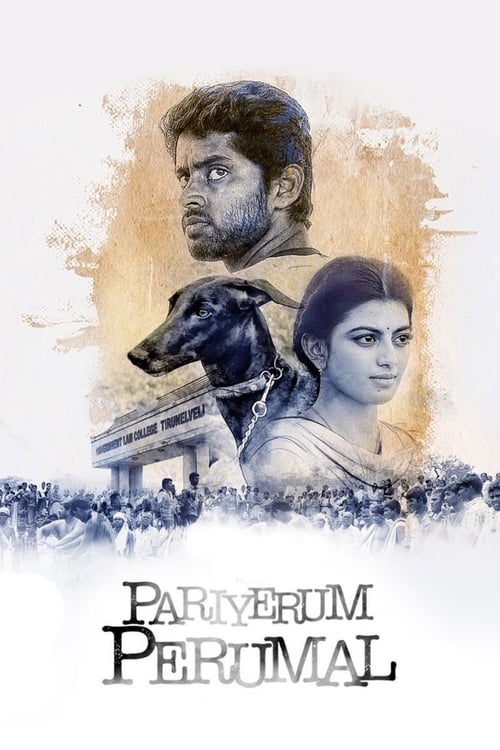
Pariyerum Perumal is a searing, essential piece of Indian cinema that confronts the brutal realities of caste discrimination with unflinching honesty. Mari Selvaraj's direction is masterful, crafting a narrative that is both deeply personal and broadly resonant, showcasing the insidious nature of prejudice. The screenplay is a powerful, emotionally charged exploration of identity, friendship, and systemic oppression, avoiding easy answers in favour of raw, authentic portrayal. Cinematography uses vivid imagery and symbolic motifs to enhance the narrative's emotional weight. It's a film that demands attention, sparking crucial conversations and leaving a profound, lasting impact on its audience.
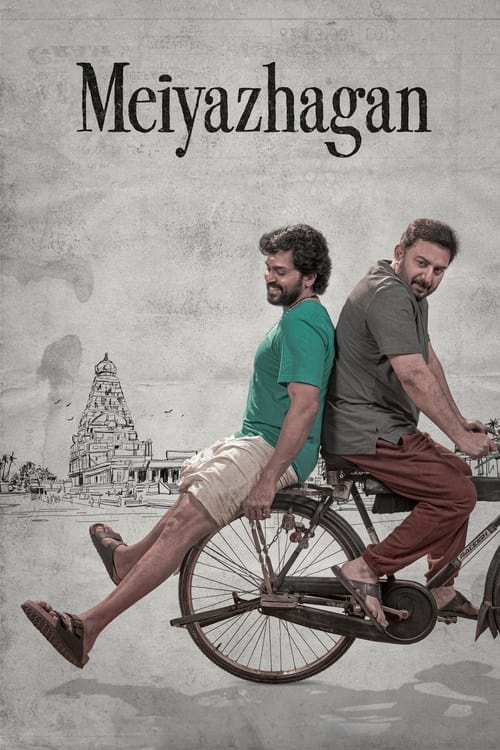
Meiyazhagan promises a heartfelt journey of homecoming and rediscovery, exploring the intricate tapestry of family bonds and the pull of one's roots. The premise of a protagonist returning to his ancestral home after decades for a family wedding sets the stage for a rich emotional drama. The screenplay is expected to delve into themes of nostalgia, unresolved pasts, and the evolving dynamics within a large family unit. Direction will likely focus on character interactions and the subtle emotional shifts that occur during such reunions. Cinematography will aim to capture the cultural richness of Thanjavur, making it an anticipated entry for its potential to deliver a poignant and culturally grounded narrative.
Bethlehem Kudumba Unit, though yet to be released, hints at a tender exploration of memory, first love, and the emotional resonance of homecoming. The narrative, centered around a wedding and the stirring of past affections, suggests a screenplay rich in emotional depth and character introspection. Director's vision will likely focus on crafting a nuanced portrayal of rekindled feelings and the bittersweet nature of nostalgia. Cinematography is anticipated to evoke a warm, intimate atmosphere, complementing the film's focus on personal connections and the enduring power of first love. It's poised to be a poignant romantic drama, exploring the complexities of the heart amidst familial celebrations.
⚡ At-A-Glance Comparison: Top Ranked Picks
Summary breakdown of release years, match DNA, and where to stream in India.
This collection underscores the sheer narrative breadth and emotional depth present in Indian cinema. Each film, in its unique way, contributes to a larger conversation about life, love, and societal structures. For those seeking an immediate plunge into a story that combines profound social commentary with raw, unflinching emotion, I unequivocally recommend starting with 'Pariyerum Perumal'. Its masterful direction and powerful screenplay offer an experience that is both critically vital and deeply moving, setting a high bar for impactful storytelling within the Pan-Indian cinematic sphere.
Frequently Asked Questions
Key answers for film lovers looking for titles like 10 Best Indian Movies Like Tamilarasan.
These films achieve 'Pan-Indian' appeal through their universal themes of love, struggle, justice, and identity, which resonate beyond regional boundaries. Many have garnered critical acclaim and audience appreciation across India, often through dubbed releases or widespread discussion, demonstrating their ability to connect with diverse linguistic and cultural groups.
Explore Related Recommendations
Continue your cinematic journey with curated collections handpicked by our editorial team.