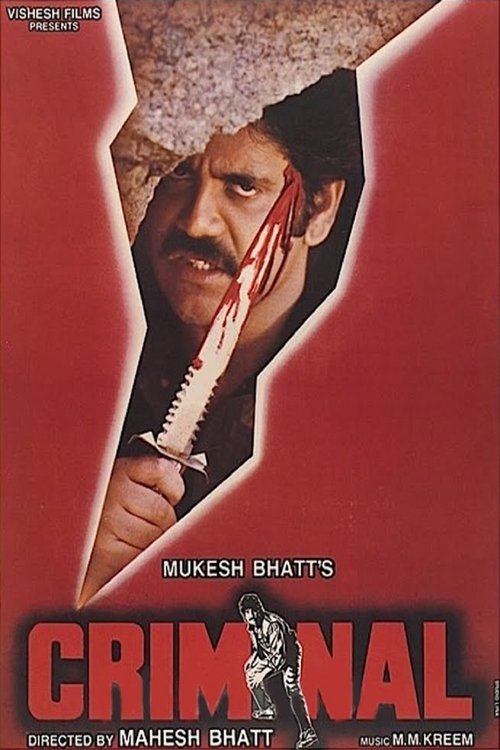
The 1990s in Hindi cinema, often celebrated for its vibrant romantic sagas and expansive family dramas, simultaneously cultivated a robust and influential strain of crime thrillers that profoundly shaped popular culture. This was a pivotal decade of artistic and thematic transition, where filmmakers, emboldened by a changing socio-economic landscape, began to delve into darker narratives, explore complex anti-heroes, and challenge the simplistic moral binaries of earlier eras. India's economic liberalization brought a fresh wave of global influences, fostering a demand for stories that mirrored a more nuanced, often grittier, urban reality. These thrillers, while frequently navigating commercial expectations, daringly pushed narrative boundaries. They introduced audiences to psychological depth, protagonists grappling with moral ambiguity, and a heightened, often visceral, sense of suspense. These films transcended mere good-versus-evil tropes, instead probing the intricate motivations behind criminal acts and the societal pressures that frequently fueled them. From intense, character-driven revenge sagas to intricately plotted cat-and-mouse games, these cinematic endeavors left an indelible mark, influencing subsequent generations of filmmakers and firmly cementing the genre's critical and commercial viability within mainstream Indian cinema. They captured the zeitgeist, reflecting both the anxieties and burgeoning aspirations of a nation in flux, and remain compelling watches today for their narrative ingenuity, stylistic boldness, and profound cultural resonance.