Astraverse Fantasy Trilogy Indian Movies in Chronological Order hero banner

Astraverse Fantasy Trilogy Indian Movies in Chronological Order

Explore a curated chronological journey through early Indian cinema, revealing foundational narratives and pioneering artistry. Uncover the thematic threads connecting these cinematic milestones.

Updated October 30, 2026

The concept of a sprawling cinematic universe, a tapestry woven with interconnected narratives and evolving mythologies, often feels like a modern invention. Yet, to truly understand the genesis of such ambition in Indian cinema, one must journey back to its foundational years. This curated chronological exploration delves into a selection of pioneering films from the early 20th century, presenting them not as a literal 'Astraverse Fantasy Trilogy' in the contemporary sense, but as the very bedrock upon which future grand narratives and thematic explorations would be built. These cinematic milestones, from mythological epics to searing social commentaries, represent the nascent stages of a storytelling tradition that would eventually define a nation's cinematic identity. We uncover the nascent timeline connections, the early 'Easter eggs' of narrative archetypes, and the profound backstory continuity that shaped the very language of Indian film. This collection, though disparate in immediate plot, collectively forms a conceptual 'proto-universe,' where themes of destiny, social justice, and human struggle begin to echo across different narratives, offering a definitive roadmap to Indian cinema's earliest, most impactful expressions and the enduring power of its storytelling.

1
No Image Available
Mythological GenesisCinematic Innovation

Dadasaheb Phalke's mythological epic stands as a monumental achievement, solidifying the genre's foundational role in Indian cinema. Following his groundbreaking Raja Harishchandra, Phalke further refined his craft, employing ingenious special effects and narrative techniques to bring divine tales to the screen. This film captivated audiences with its portrayal of Krishna's birth and early miracles, establishing a template for devotional cinema. Its cultural impact was immense, demonstrating cinema's power to connect with deep-seated spiritual narratives and lay the groundwork for a uniquely Indian cinematic language. It's a crucial piece in understanding the genesis of Indian storytelling on celluloid.

2
The Light of Asia - Ranking #2 Recommendation

The Light of Asia

⚡94% Match
Spiritual EpicCross-Cultural Vision

A remarkable Indo-German co-production, The Light of Asia (Prem Sanyas) brought the life of Prince Siddhartha, who became the Buddha, to a global audience. Directed by Franz Osten and Himansu Rai, this silent epic is celebrated for its visual grandeur, authentic Indian settings, and a profound spiritual narrative. It transcended geographical and cultural boundaries, showcasing India's rich heritage on an international stage. The film's contemplative pace and majestic cinematography offered a unique perspective on a universal spiritual journey, marking a significant early instance of cross-cultural cinematic collaboration and thematic depth in Indian film history.

3
A Throw of Dice - Ranking #3 Recommendation

A Throw of Dice

⚡92% Match
Royal IntrigueVisual Spectacle

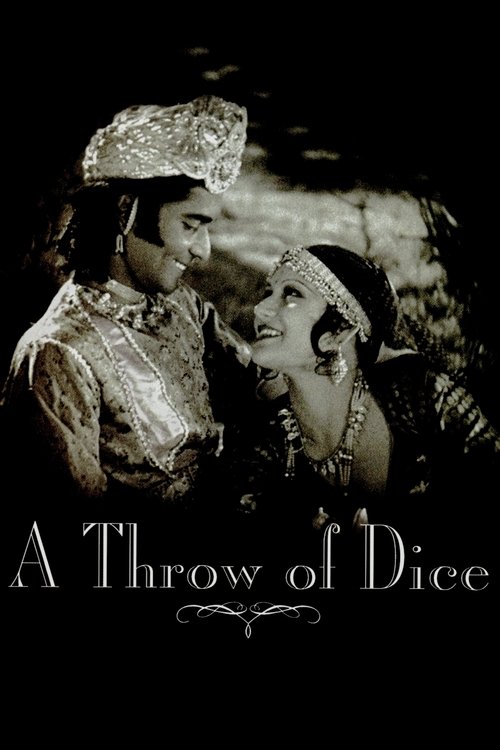
Another collaboration between Franz Osten and Himansu Rai, A Throw of Dice (Prapancha Pash) is a visually stunning silent film steeped in ancient Indian legend. This dramatic tale of two kings, a beautiful princess, and a fateful game of dice is a masterclass in visual storytelling. Its exotic locales, elaborate costumes, and intense performances create a captivating narrative of desire, betrayal, and destiny. The film's technical prowess, particularly its cinematography, was exceptional for its era, showcasing a sophisticated understanding of cinematic language. It remains a testament to the early ambition and artistic quality of Indian cinema's silent era.

4
Devdas - Ranking #4 Recommendation

Devdas

⚡90% Match
Tragic RomanceSocial Constraints

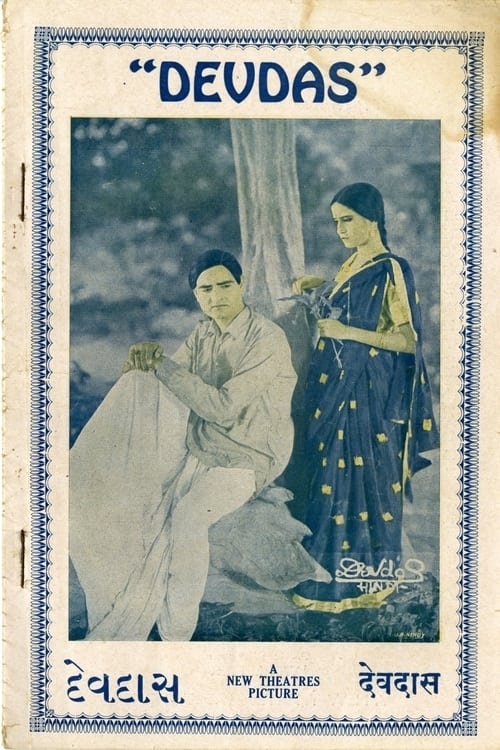
P.C. Barua's Devdas, starring K.L. Saigal, is arguably the definitive early adaptation of Sarat Chandra Chattopadhyay's tragic novel, and a landmark in Indian sound cinema. This Bengali-Hindi bilingual film masterfully captured the essence of unrequited love, social stratification, and self-destruction. Saigal's melancholic portrayal of the titular character, a man undone by societal pressures and personal weakness, resonated deeply with audiences. Its profound emotional depth and realistic characterizations set a new benchmark for dramatic storytelling, influencing countless subsequent adaptations and cementing its place as a timeless classic of Indian romantic tragedy.

5
Untouchable Girl - Ranking #5 Recommendation

Untouchable Girl

⚡88% Match
Caste CritiqueSocial Reform

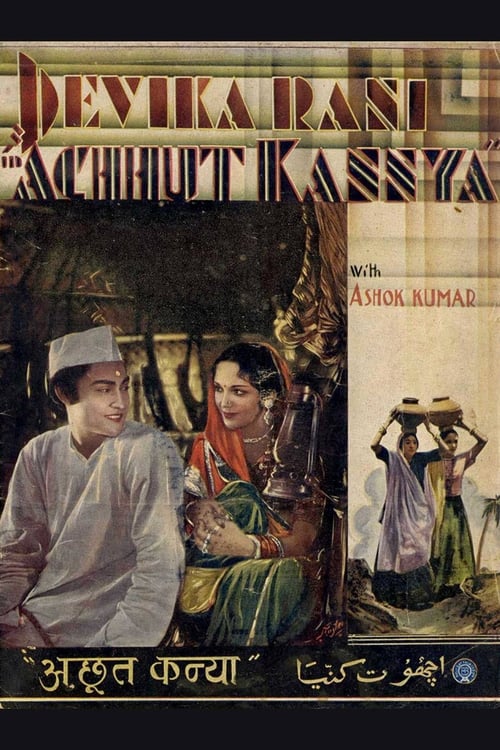
V. Shantaram's Untouchable Girl (Achhut Kanya) was a courageous and pioneering social drama that directly confronted the deeply entrenched issue of untouchability. Starring Ashok Kumar and Devika Rani, the film tells the poignant story of a Brahmin boy and an 'untouchable' girl whose love defies societal norms, leading to tragic consequences. Its bold reformist message, delivered with sensitivity and conviction, sparked vital conversations about caste discrimination. The film's powerful narrative and progressive stance made it a significant cultural artifact, demonstrating cinema's potential as a tool for social commentary and change in pre-independence India.

6
Kismet - Ranking #6 Recommendation

Kismet

⚡86% Match
Wartime PatriotismAnti-Hero Archetype

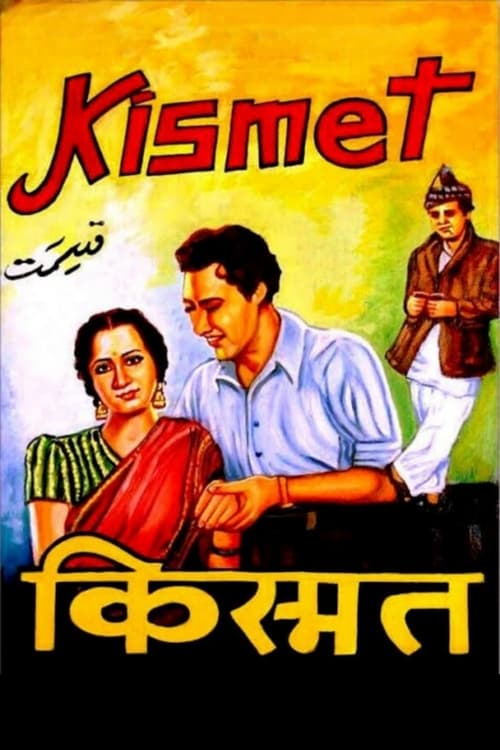
Kismet, a blockbuster from Bombay Talkies, redefined commercial success in wartime Indian cinema. Starring Ashok Kumar as a charming anti-hero, a pickpocket with a heart of gold, the film blended thrilling action, romance, and patriotic undertones. Its innovative narrative, featuring a double role and a compelling protagonist who operates outside conventional morality, captivated audiences. The film's immense popularity, running for over three years in Calcutta, showcased the power of escapist entertainment during a tumultuous period. It established new benchmarks for box office performance and solidified the anti-hero archetype in popular Indian storytelling.

7
Shahjehan - Ranking #7 Recommendation

Shahjehan

⚡84% Match
Imperial GrandeurDoomed Love

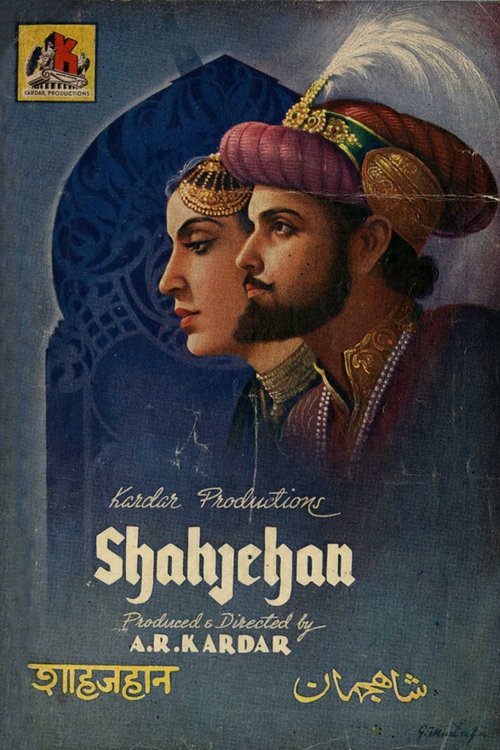
Shahjehan, a historical drama directed by A.R. Kardar, is perhaps best remembered for its exquisite music by Naushad and the soulful voice of K.L. Saigal. The film delves into the life of the Mughal emperor Shah Jahan, focusing on his architectural ambitions, his profound love for Mumtaz Mahal, and the eventual tragic decline of his reign. It masterfully blended historical grandeur with poignant human emotion, exploring themes of power, loss, and artistic legacy. The film's lavish sets and period authenticity, combined with its unforgettable melodies, made it a significant entry in the historical genre of post-independence Indian cinema.

8
Dr. Kotnis Ki Amar Kahani - Ranking #8 Recommendation
Humanitarian HeroismInternational Solidarity

V. Shantaram's Dr. Kotnis Ki Amar Kahani is a powerful biographical drama chronicling the extraordinary life of Dr. Dwarkanath Kotnis, an Indian physician who served in China during the Second Sino-Japanese War. Shantaram himself played the titular role, bringing a compelling intensity to the humanitarian hero. The film celebrated international solidarity and selfless service, transcending national boundaries with its universal message of compassion and sacrifice. Its realistic portrayal of wartime struggles and the dedication of a medical professional made it a poignant and inspiring cinematic tribute, highlighting India's contribution to global humanitarian efforts.

9
Neecha Nagar - Ranking #9 Recommendation

Neecha Nagar

⚡80% Match
Class StruggleSocial Realism

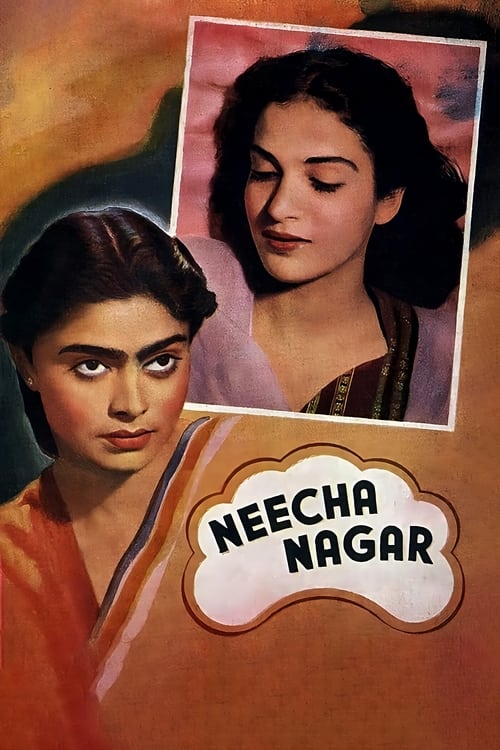
Chetan Anand's Neecha Nagar (Lowly City) made history as the first Indian film to win the Grand Prix at the inaugural Cannes Film Festival. This searing social realist drama is a powerful allegory of class struggle, depicting the stark contrast between the wealthy elite living in the 'high city' and the impoverished masses in the 'low city.' Its unflinching portrayal of exploitation, environmental injustice, and the resilience of the common people resonated deeply. The film's stark visual style and potent message marked a significant departure from mainstream narratives, establishing a new paradigm for socially conscious Indian cinema.

10
Kalpana - Ranking #10 Recommendation

Kalpana

⚡78% Match
Artistic ExpressionDance Narrative

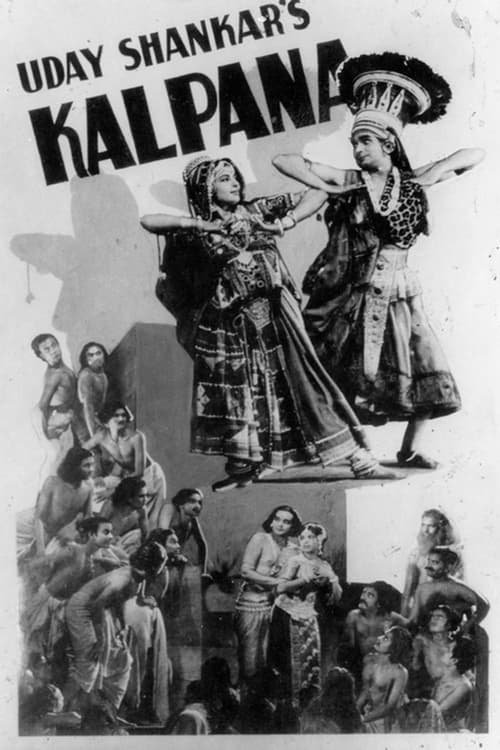
Uday Shankar's Kalpana is a groundbreaking, avant-garde musical fantasy that stands as a unique masterpiece in Indian cinema. This highly experimental film, featuring Shankar himself and his wife Amala, blends classical Indian dance, dream sequences, and allegorical narrative to explore the aspirations of an artist. It's a vibrant tapestry of visual poetry and rhythmic movement, pushing the boundaries of cinematic expression. Kalpana is less about conventional plot and more about artistic vision, offering a mesmerizing journey into the creative mind and the power of dance as a storytelling medium, a true pioneer of artistic cinema.

⚡ At-A-Glance Comparison: Top Ranked Picks

Summary breakdown of release years, match DNA, and where to stream in India.

RankMovie TitleYearThematic DNAWhere to Stream (India)
#1Birth of Shri Krishna1918
Mythological GenesisCinematic Innovation
VOD / Digital
#2The Light of Asia1925
Spiritual EpicCross-Cultural Vision
VOD / Digital
#3A Throw of Dice1929
Royal IntrigueVisual Spectacle
VOD / Digital
#4Devdas1936
Tragic RomanceSocial Constraints
VOD / Digital
#5Untouchable Girl1936
Caste CritiqueSocial Reform
VOD / Digital
#6Kismet1943
Wartime PatriotismAnti-Hero Archetype
VOD / Digital
#7Shahjehan1946
Imperial GrandeurDoomed Love
VOD / Digital
#8Dr. Kotnis Ki Amar Kahani1946
Humanitarian HeroismInternational Solidarity
VOD / Digital
#9Neecha Nagar1946
Class StruggleSocial Realism
VOD / Digital
#10Kalpana1948
Artistic ExpressionDance Narrative
VOD / Digital

🎬 Critic's Final Verdict & Where to Begin

This chronological journey through early Indian cinema reveals more than just individual masterpieces; it uncovers the very DNA of a storytelling tradition. These films, often overlooked in contemporary discourse, are the foundational pillars, each contributing a unique brick to the grand edifice of Indian cinematic narrative. They established archetypes, explored complex social issues, and pioneered visual language, laying the groundwork for every subsequent 'universe' or franchise. Understanding these early works is not merely an academic exercise; it is essential for appreciating the depth, resilience, and evolving artistry that defines Indian cinema, proving that true cinematic universes are built on timeless stories, not just special effects.

Frequently Asked Questions

Key answers for film lovers looking for titles like Astraverse Fantasy Trilogy Indian Movies in Chronological Order.

While the term 'Astraverse' typically denotes a modern, interconnected fictional universe, in the context of these early Indian films, it refers metaphorically to the foundational thematic and narrative threads that began to emerge. These films, though not explicitly linked by plot, collectively established archetypes, explored recurring social conflicts, and developed a distinct visual language that would inform generations of Indian storytelling, creating a conceptual 'universe' of shared cultural narratives.